
Last updated November 15, 2026
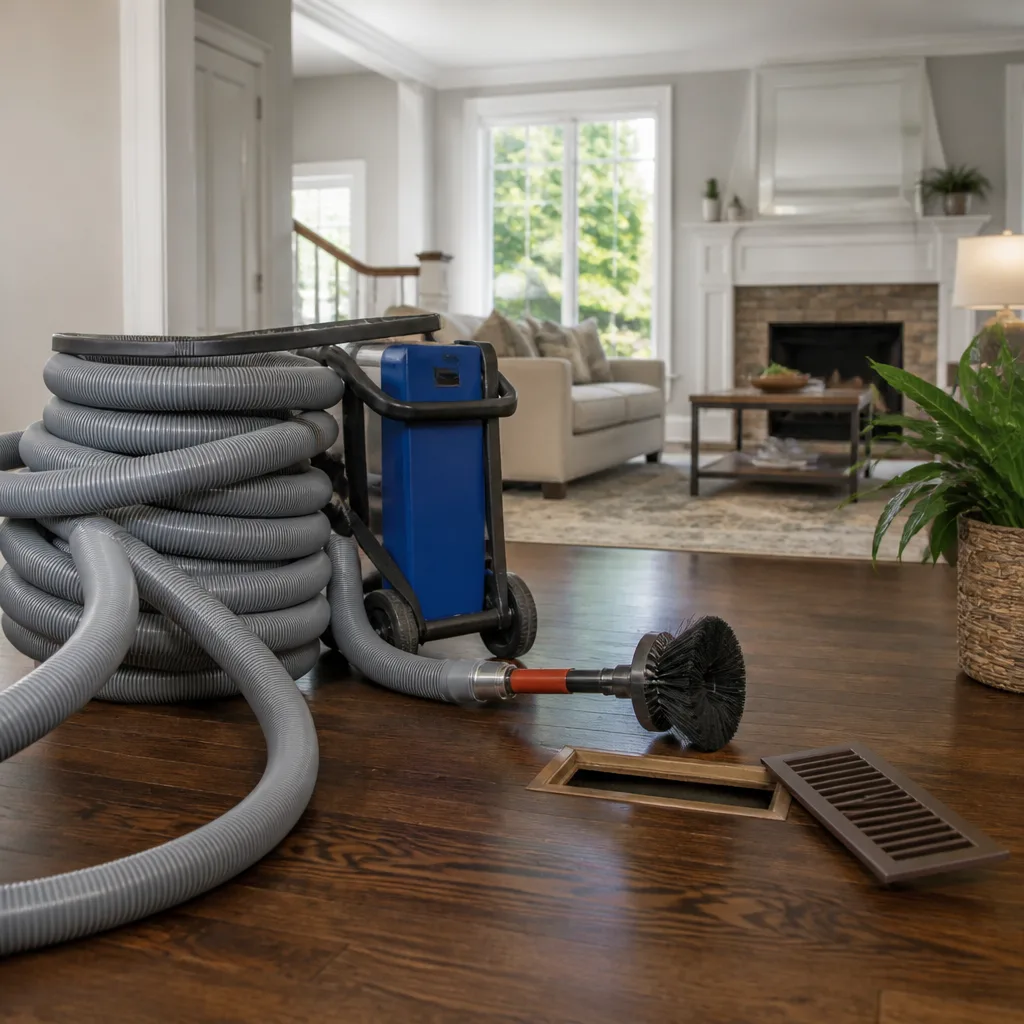 Whole-home duct cleaning
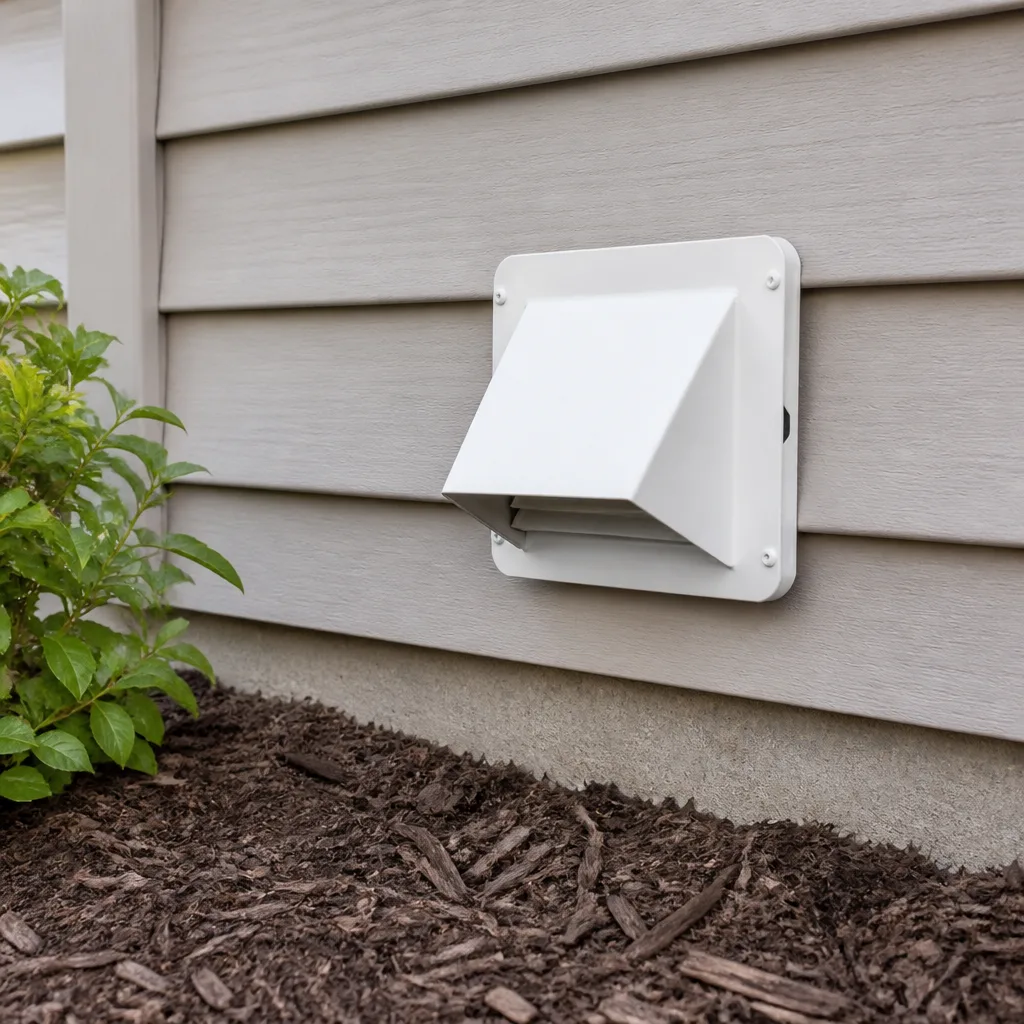 Dryer vent cleaning
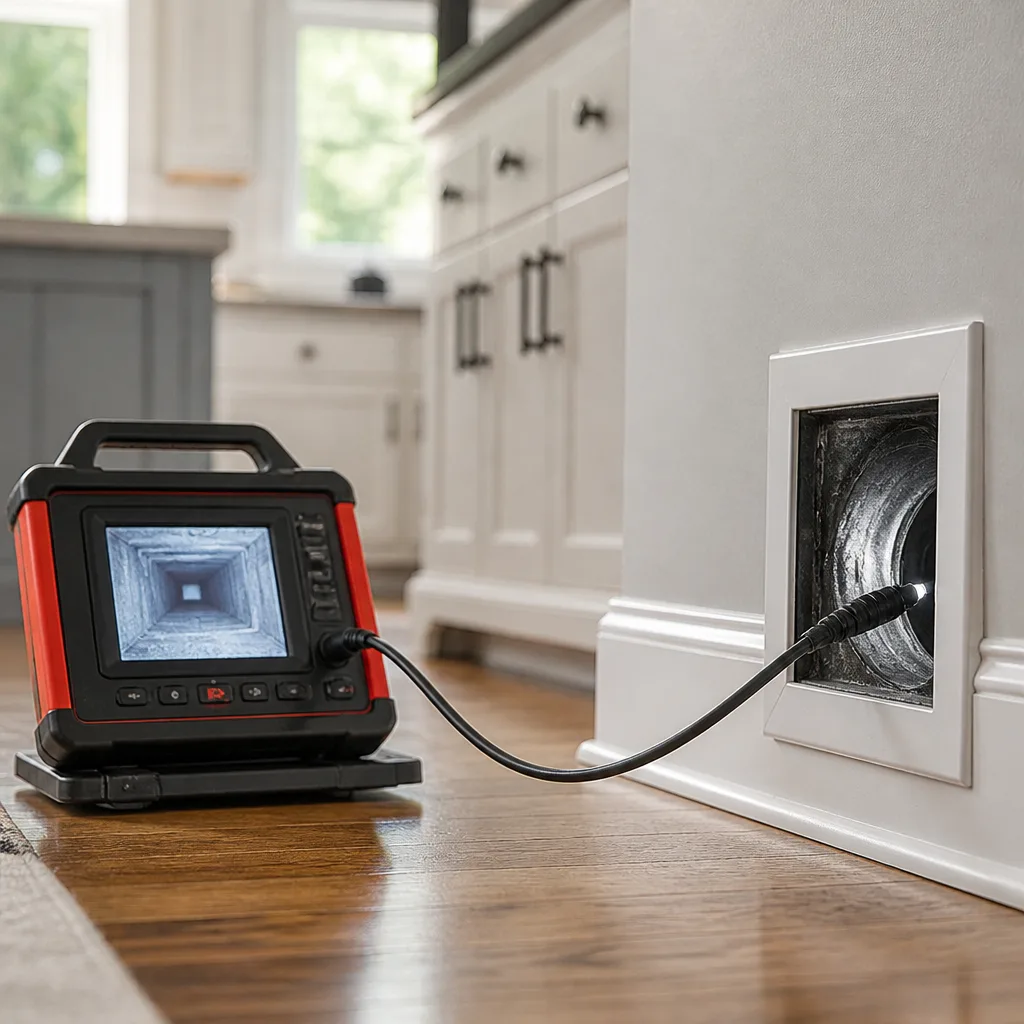 Camera inspection
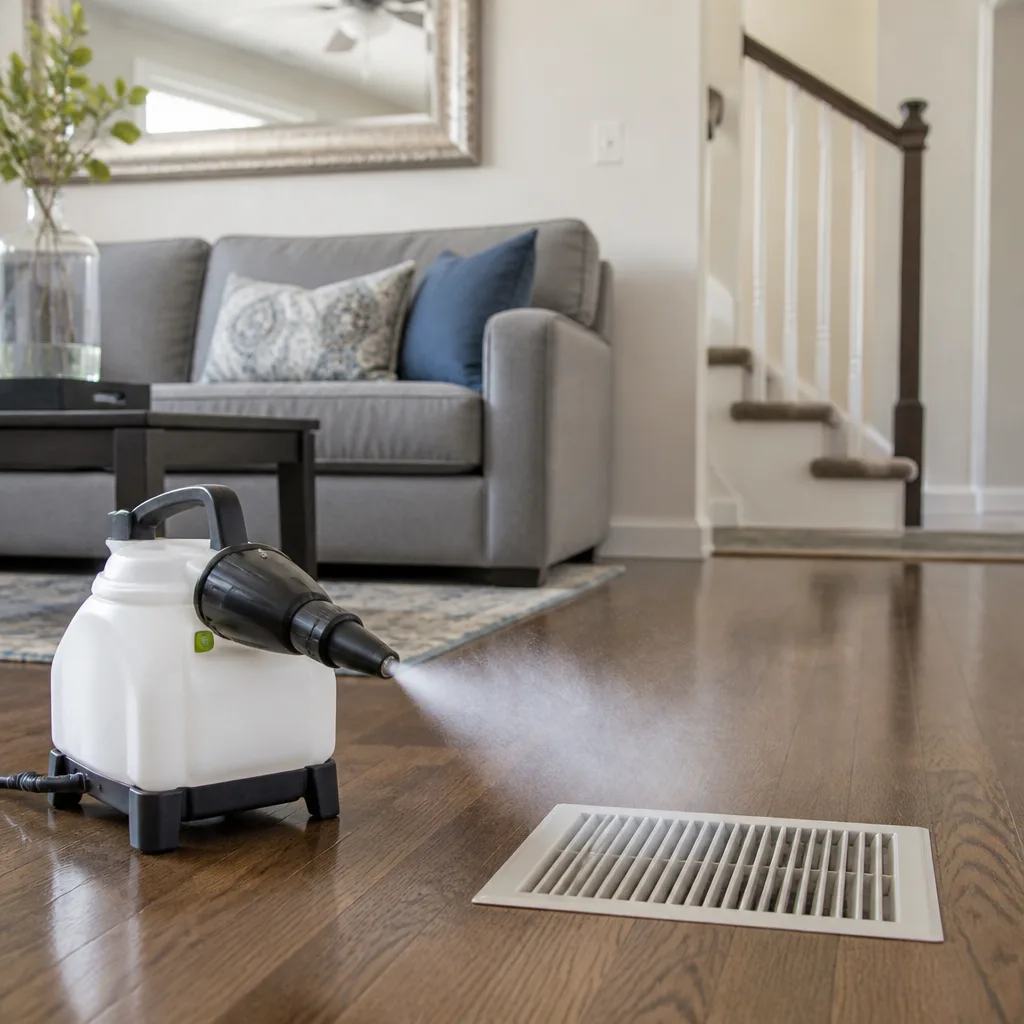 Sanitizing & deodorizing
Whole-system duct and dryer vent check with before-and-after photos - you see exactly what came out of your vents
That "$99 whole-house special" is a bait ad - the real number appears once they are in your hallway, or the "clean" is a shop-vac at the register. We photograph the inside of your ducts before and after instead.
How to Hire an Air Duct Cleaning Contractor in Santa Rosa: A Step-by-Step Guide
Most homeowners in Santa Rosa shop for duct cleaning the way they shop for a haircut: they call three places, take the lowest quote, and hope for the best. That approach breaks down here for one reason almost nobody mentions up front. California doesn’t require a mandatory state license to clean air ducts. There’s no single credential the state checks before a company puts a vacuum on your system. That means the entire hiring decision rests on two things you have to verify yourself: the equipment that shows up and the transparency of the process behind the quote. The cheapest bid in Santa Rosa almost always comes from a portable shop-vac-style unit that moves far too little air to actually remove debris from your ducts. This guide teaches you what to ask, what to look for, and what a legitimate scope of work looks like before you sign anything.
Quick Answer
To hire an air duct cleaning contractor in Santa Rosa, verify three things before booking: the CFM rating of the vacuum unit (a source-removal standard is closer to 4,000 CFM, not the portable units under 2,000 CFM), whether the quote was produced after a physical walkthrough of your system, and what the written scope of work actually names. Ask about HEPA filtration on the vacuum, the brush system, and whether repair is available if the ducts are compromised. Because California doesn’t mandate licensing for this trade, those equipment and process answers are your real credential.
Styles & brands we work with
- Whole-home duct cleaning
- Dryer vent cleaning
- Camera inspection
- Sanitizing & deodorizing
Table of Contents
- Why California Doesn’t License Duct Cleaning (and What That Means for You)
- The Equipment Questions to Ask Before You Book
- What NADCA Membership Tells You (and What It Doesn’t)
- How to Request an On-Site Estimate That Forces a Real Walkthrough
- Red Flags Specific to Santa Rosa’s Post-Fire Market
- What a Legitimate Scope of Work Document Must Include
- Cleaning vs. Repair: Why the Distinction Matters
- Don’t Overlook the Dryer Vent
Why California Doesn’t License Duct Cleaning (and What That Means for You)
California requires a state contractor license for many trades, but duct cleaning isn’t one of them. There’s no state exam, no mandatory bond, no license class that specifically covers cleaning and inspecting forced-air ductwork. Anyone with a van, a phone number, and a marketing budget can advertise duct cleaning in Santa Rosa tomorrow.
That’s not a reason to panic. It is a reason to shift your evaluation earlier in the process. In a licensed trade, you can check a state database and get a baseline. Here, you have to build that baseline yourself by asking questions most homeowners have never thought to ask. The good news: the answers are hard to fake once you know what they should sound like.
Here’s what the missing license requirement actually means for you in practice:
- No state verification exists. You can’t look up a duct cleaner in a licensing database and confirm they’re legitimate, because the state doesn’t issue that credential for this work.
- Insurance is on you to confirm. Ask directly whether the company carries liability coverage and can provide a certificate. A legitimate operator has this ready.
- The equipment and the process are the credential. Both are things you can verify in conversation before anyone arrives at your door.
- Reviews help but don’t substitute. Good reviews on a duct cleaning company are worth reading, but the same equipment questions still apply.
The reason this matters in Santa Rosa specifically is the market. After several difficult fire seasons, the demand for duct cleaning and air quality work has grown, and a lot of companies have followed that demand. Some are serious operators with proper equipment. Some are not. The vetting is entirely in your hands.
The Equipment Questions to Ask Before You Book
This is the section most homeowners wish they’d had before calling. Duct cleaning isn’t a consumer-grade task. Source removal, meaning actually pulling accumulated debris out of your ductwork rather than just knocking it loose, depends on airflow. The EPA’s published guidance points toward roughly 4,000 CFM for a standard home’s duct cleaning vacuum system. A portable unit that generates under 2,000 CFM isn’t the same category of equipment.
That gap is exactly why a low quote shows up. The smaller the vacuum, the less the operator invested in equipment, and the more cheaply they can price the job. It doesn’t mean the ducts come out cleaner. It means less of what’s in them actually leaves.
Ask these specific questions before you book:
- What’s the CFM rating of the vacuum unit? A serious operator knows the number. Evasive answers (“it’s commercial grade”) are a sign the equipment is either small or the person on the phone doesn’t know what they’re running.
- Is the vacuum HEPA-filtered? HEPA filtration captures fine particulate rather than exhausting it back into your air. Without it, a powerful vacuum can put more airborne material into the room than it removes.
- What brush system do you use? Contact-vacuum brush systems, like those built by Rotobrush, agitate duct walls while the vacuum pulls, which is how caked-on debris actually comes loose. Ask whether the brush and the vacuum are connected on the same tool or run separately.
- Do you use negative air containment? Commercial-grade machines from Abatement Technologies create a controlled pressure zone during cleaning. It’s a remediation-level approach, and it’s the difference between a cleaning and a cleaning that doesn’t contaminate your living space.
- Do you clean the air handler and register boots, or just the runs? Ducts don’t stop at the grille. Register boots and the air handler collect debris too, and a scope that skips them leaves material behind.
- Can you repair compromised duct sections if you find them? Cleaning seals in whatever leakage already exists. If the duct is split, disconnected, or crushed, cleaning doesn’t fix that.
When we show up, we run a Rotobrush contact-vacuum system with connected brush and vacuum, and we use Nikro HEPA-filtration equipment to capture what comes loose. That’s not a marketing line. It’s the difference between a portable shop-vac rig and a commercial-standard system, and it’s why we lead with it.
If you’re comparing quotes right now, our air duct cleaning page lists what the full job actually involves so you have a reference point for what other quotes should cover.
What NADCA Membership Tells You (and What It Doesn’t)
NADCA, the National Air Duct Cleaners Association, publishes assessment, cleaning, and restoration standards for this industry, and membership is a genuine signal. A company that joined the association and follows its standards is more likely to have trained technicians and a defined process than one that has never heard of it.
But membership is not a guarantee. It’s a self-selected affiliation. It doesn’t tell you the CFM of the equipment, the size of the crew, whether a repair is within scope, or whether the quote you received was actually generated from a walkthrough. Treat NADCA membership the way you’d treat a good reference: worth weighing, not worth relying on alone.
Here’s what to ask beyond the certification card:
- “Who’s on the crew, and how many people does this job take?” A one-person job on a full house usually means the cleaning gets rushed or the scope shrinks.
- “What does your pre-cleaning assessment cover?” A proper assessment walks the system, counts registers, notes access points, and identifies anything that looks like a repair issue before cleaning begins.
- “Can I see an example scope of work from a similar home?” A serious operator has one ready. The document should name equipment, register count, access methods, and what’s included.
- “What happens if you find damage during the assessment?” The answer tells you whether repair is in scope or whether you’ll be referred out to a company that can’t clean and repair under one call.
We carry no policy that says NADCA membership is required to do good work. Plenty of capable independent operators aren’t members. But the conversation around standards is worth having, and any company that can talk through the NADCA cleaning standard in plain language is signaling that they take the process seriously.
How to Request an On-Site Estimate That Forces a Real Walkthrough
A phone quote for duct cleaning is a guess dressed up as a price. The contractor hasn’t seen your system, doesn’t know how many registers you have, whether your air handler is accessible, or whether any duct runs are crushed in the crawlspace. Any number given before a walkthrough is either inflated to cover worst-case assumptions or set low to get the job, with the real scope of work revealed after the truck is in the driveway.
Structure your estimate request so this can’t happen. Here’s exactly how to do it:
- Ask for the estimate on-site. State plainly that you want a physical walkthrough before a price is quoted. A company that pushes a flat phone rate is telling you something.
- Confirm the walkthrough will include register counting. The number of registers on the system is a major cost variable. If a quote came in without a register count, it’s not a real quote.
- Ask for the air handler to be inspected. The air handler sits upstream of everything. Its condition tells the contractor what they’re actually cleaning and whether a repair is likely.
- Request the written scope before you book. Not after. A written scope handed over at the estimate means the contractor committed to specifics: equipment, method, access points, register count.
- Ask what triggers an additional charge. If the answer is vague (“well, it depends”), the “it depends” will be your invoice. A legitimate operator can tell you the conditions that change scope: an inaccessible air handler, a duct section that needs repair, a second system.
Santa Rosa homes vary widely by neighborhood. Homes in the older central areas often have ductwork retrofitted through crawlspaces and attics, which means the access points and duct condition vary significantly from house to house. Homes built later may have different layouts. The point is that a phone quote cannot account for that variation. A walkthrough can.
When we run an estimate, we walk the system, count registers, note what the access looks like, and put the whole thing in a written scope with a flat price per system. That’s our standard. It’s also the thing most worth asking any contractor for.
Red Flags Specific to Santa Rosa’s Post-Fire Market
Sonoma County’s fire history has shaped the local duct cleaning market. Demand for duct cleaning and indoor air quality work has risen in the years since, and that’s brought more companies into the area. Most are legitimate. Some are rushing jobs to meet demand. These are the red flags we’d want a homeowner to catch early.
- Remote quotes with no walkthrough. Any company that quotes your job over the phone without asking how many registers you have, where the air handler sits, and what access looks like is guessing. In a region where system condition varies widely home to home, a phone quote is a bait number.
- Register counts skipped during the estimate. A walkthrough that doesn’t count registers hasn’t done the math. It’s a sign the scope is being set to match a target price rather than the actual system.
- “Sanitizer” bundled into the base price without explanation. If a quote includes a treatment line item, ask what it’s for, what product is used, and whether it’s necessary. A product added silently to the base price is a sign the scope is padded.
- No mention of repair capability. Cleaning a duct doesn’t fix a duct. If a contractor has no repair capability, they’ll clean around damage they find and the leakage remains. Ask directly whether repair is in scope.
- Thin equipment descriptions. “Commercial-grade vacuum” is not a description. Ask for the CFM number and the filter type by name.
- Pressure to book same-day. Urgency in a sales call is a sign the offer is about closing, not about the condition of your ducts.
The post-fire concern is real, but the response shouldn’t be to accept a padded quote. It should be to demand the same equipment-and-process verification as any other job, with extra attention on whether the contractor can actually assess and document what they find inside the system.
What a Legitimate Scope of Work Document Must Include
Before you sign, before you hand over a deposit, before anyone rolls a vacuum into the driveway, you should have a written scope in front of you. This is the single document that separates a professional job from a bait-and-switch, and it should name specific things. If any of the following is missing, ask for it in writing.
Every legitimate scope of work should include:
- Equipment specification. The vacuum unit by name and class, the brush system type, and whether HEPA filtration is used. A scope that just says “professional equipment” is not a scope.
- Register count. The number of supply and return registers being cleaned. This is the basic unit of the job.
- Access point locations. Where the contractors will open the system to access the ducts. This should be planned and agreed before work starts, not improvised in your hallway.
- Air handler scope. Is the air handler being cleaned, and if so, to what extent? Access to the air handler is often the most sensitive part of the job.
- Containment method. How the workspace is protected. Negative air machines and surface protection are common on a serious job. Guardsman protective products, for example, are used to protect surfaces and materials during service.
- Repair scope, if any. If the pre-clean assessment identified damaged duct sections, the repair should be written out separately with its own scope and its own price.
- Before-and-after documentation. Ask whether the scope includes photos of the ducts before and after. This is how you verify the work was actually done.
- Flat price per system. Not per vent, not per register, not time-and-materials. One price for the system, agreed in writing before work starts.
When we hand over a scope, we include all of the above. The flat price per system is our core commitment: the price you agree to is the price on the invoice, and you get before-and-after photos of your own ducts when we’re done. If a contractor’s scope looks short on any of these items, ask them to fill it in before you book.
Cleaning vs. Repair: Why the Distinction Matters
Most duct cleaning companies clean. A smaller number can inspect and repair compromised ductwork. That distinction matters more than most homeowners realize, because a duct system with a leak, a split seam, a disconnected run, or a crushed section won’t be fixed by cleaning. Cleaning a leaking duct and then sealing the system back up leaves the leak exactly where it was.
The problem is invisible. Duct leakage doesn’t announce itself. Air that should reach a register instead escapes into a crawlspace or attic, which shows up on your energy bill and in uneven room temperatures rather than as an obvious problem you can see. If you’ve noticed rooms that never seem to warm up or cool down properly, the issue may be duct damage rather than the HVAC equipment itself. Cleaning alone won’t address that.
This is why we treat duct cleaning in Santa Rosa as a two-part job. The pre-cleaning assessment identifies what’s in the system and what’s wrong with it. The cleaning handles the first part. If repair is needed, it gets scoped and priced separately for the homeowner to approve before work starts. Cleaning and repair are two services, but they belong in one call.
When you’re evaluating a contractor, ask this directly: “If you find a duct section that’s disconnected, split, or crushed during the cleaning, what happens?” The answer should be specific. A contractor with repair capability can walk you through it. A contractor without it will refer you elsewhere, and the cleaning may not have solved the underlying problem.
Our Santa Rosa, CA service page covers how the walkthrough works in this local market.
Don’t Overlook the Dryer Vent
The duct system isn’t the only forced-air pathway in your home. The dryer vent is a second duct system, and it carries one of the most overlooked fire risks in residential construction. Lint accumulates inside the vent, restricts airflow, and the combination of trapped lint and the heat of a running dryer is a known fire hazard. The U.S. Fire Administration has identified dryer vent issues as a leading contributor to residential structure fires, and lint buildup is the specific culprit.
The thing most homeowners don’t know is that many duct cleaning companies either ignore dryer vents entirely or outsource them to a subcontractor. That splits the work across two calls, two companies, and two separate scopes. If you’re already having the air ducts assessed, the dryer vent is the natural place to extend the scope.
Our dryer vent cleaning is part of our core scope. It’s not an add-on we upsell. It’s the second half of taking care of the forced-air system in your home, and asking any contractor whether they handle it is a fair test of how complete their service is.
While we’re inside the system, we can also talk through air quality add-ons if the ducts suggest it’s warranted. We work with Honeywell and Aprilaire indoor air quality systems, and we can integrate a filter or humidifier solution at the time of service if the home’s dust level or humidity suggests it’s relevant. We don’t suggest it unless the assessment supports it.
Common Mistakes to Avoid
- Booking the cheapest phone quote. A quote made without a walkthrough is not a quote, and the lowest one on the phone is almost always the one that grows on-site. Insist on an on-site estimate before booking.
- Skipping the CFM question. If you don’t ask, you won’t know whether the vacuum on the truck is a commercial system or a portable unit under 2,000 CFM. Ask what the number is, and treat evasive answers as answers.
- Assuming a license check covers you. California doesn’t license duct cleaning. There’s no state database to check. Verification is all in the equipment and process conversation.
- Accepting a per-vent price. Per-vent pricing is how bait-and-switch works in this trade. A flat price per system, agreed in writing before work starts, is what you’re after.
- Treating the estimate as a rubber stamp. An estimate that skips register counts, air handler access, or a written scope isn’t an estimate. It’s a number. Ask for the full version.
- Forgetting the dryer vent. If the contractor doesn’t mention the dryer vent, ask. A company with a complete scope will handle it. A company without one will either skip it or hand it to someone else.
- Signing before the scope names access points. Where the ducts will be opened matters. If the scope doesn’t say, ask before you sign.
See the difference
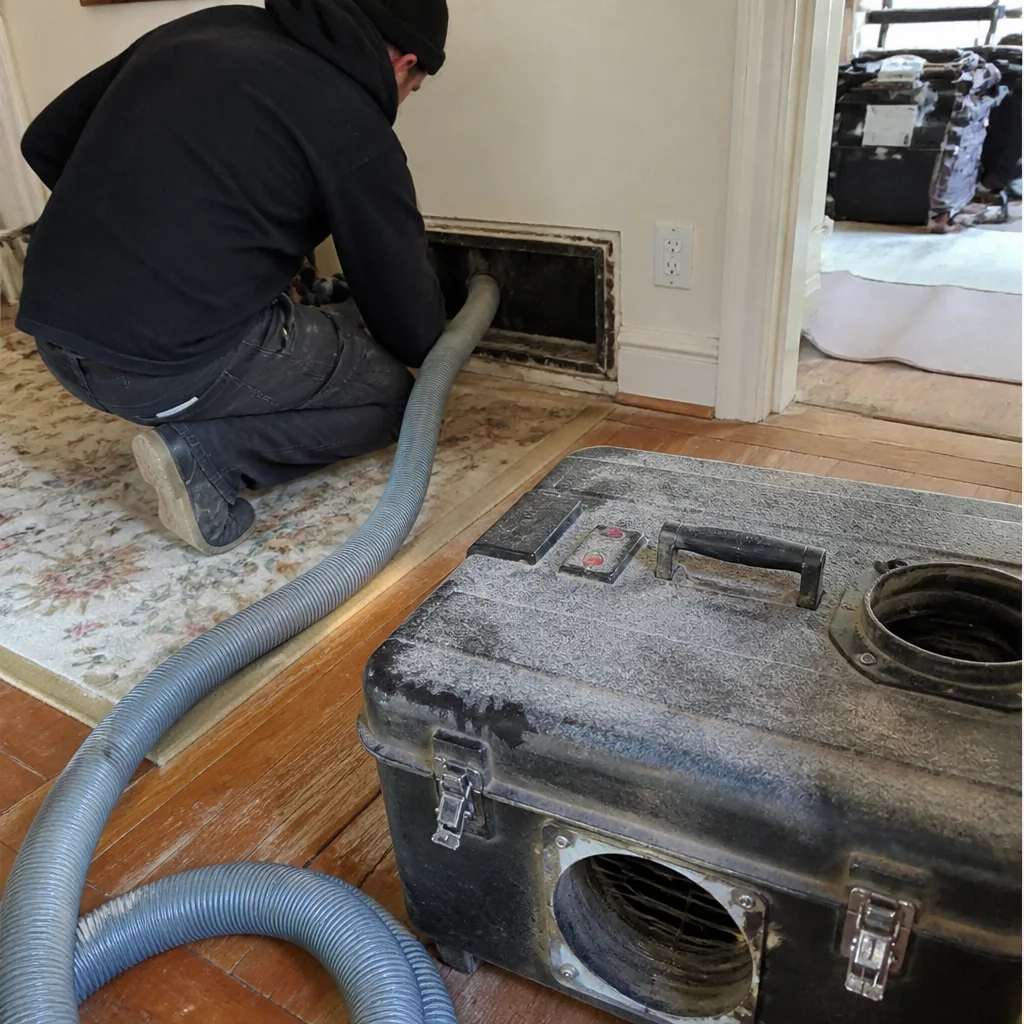 Before
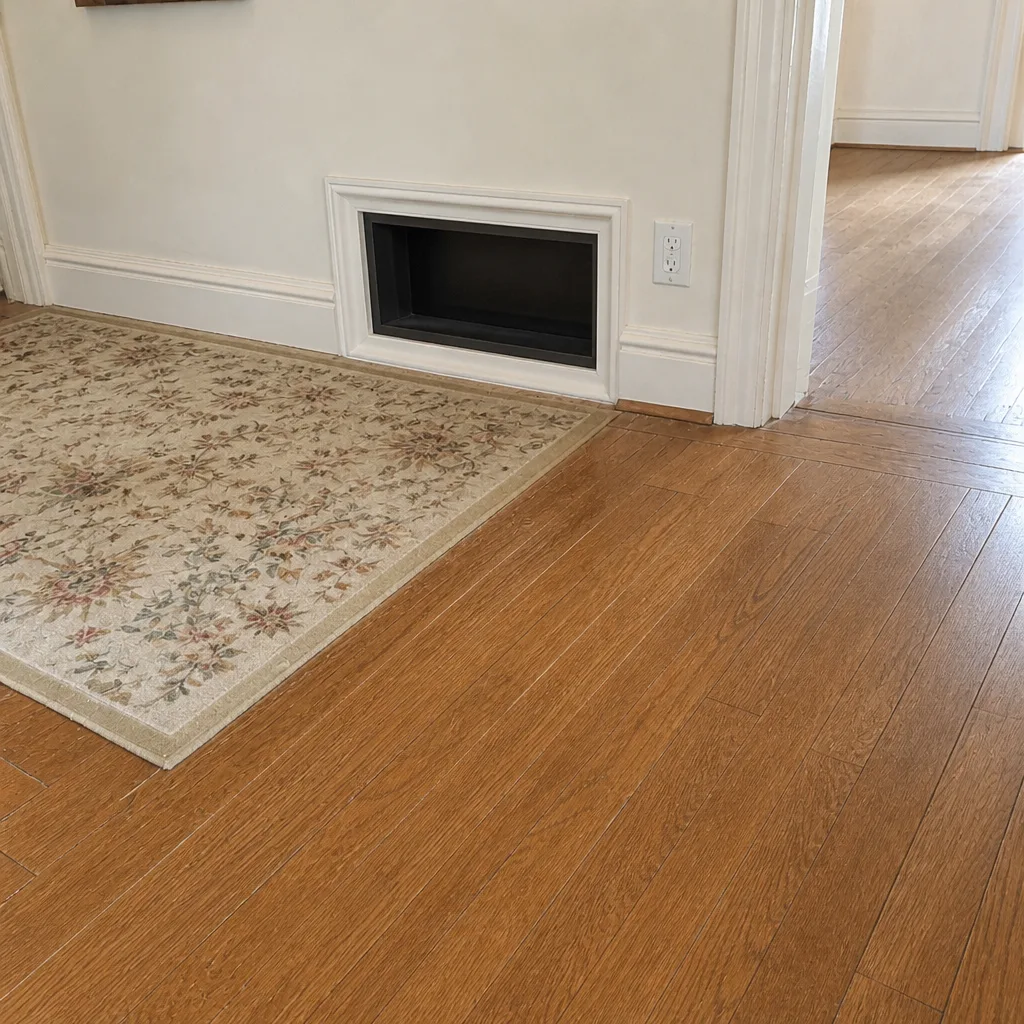 After
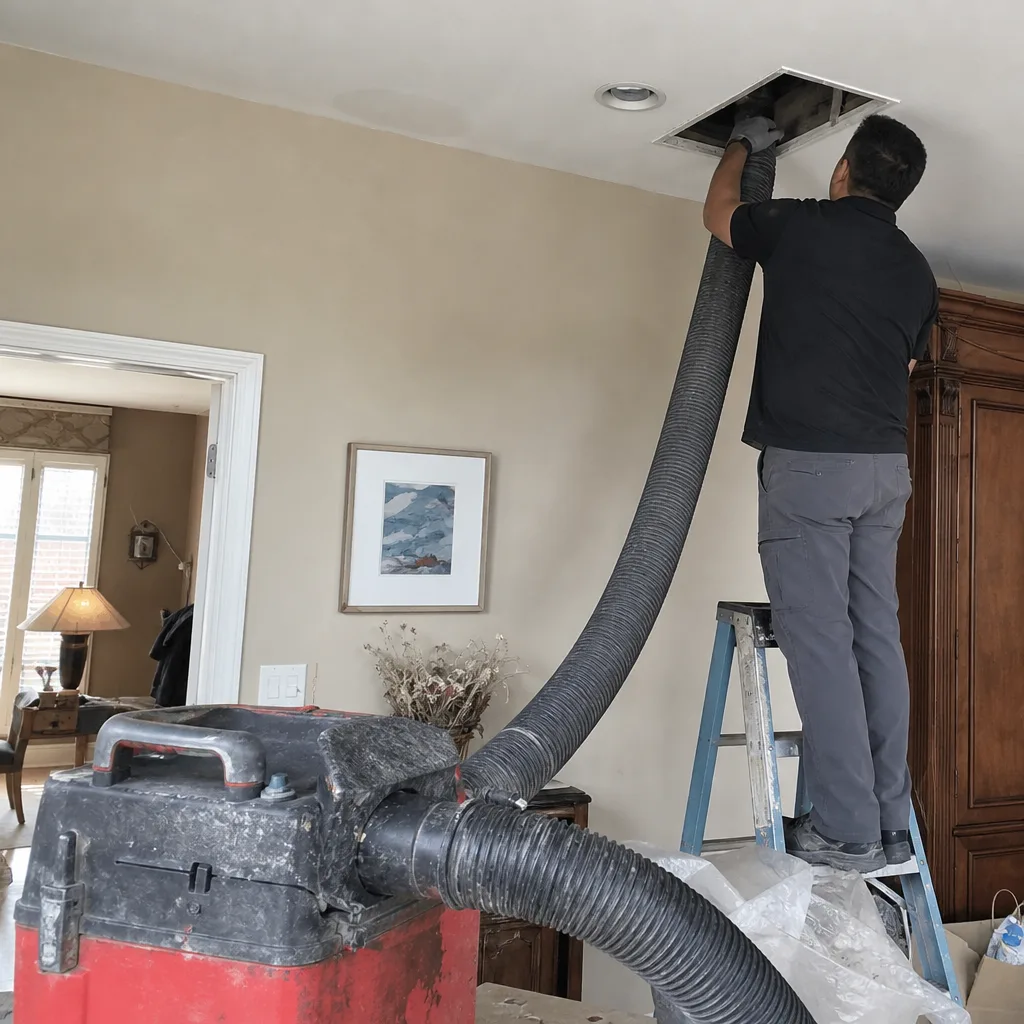 Before
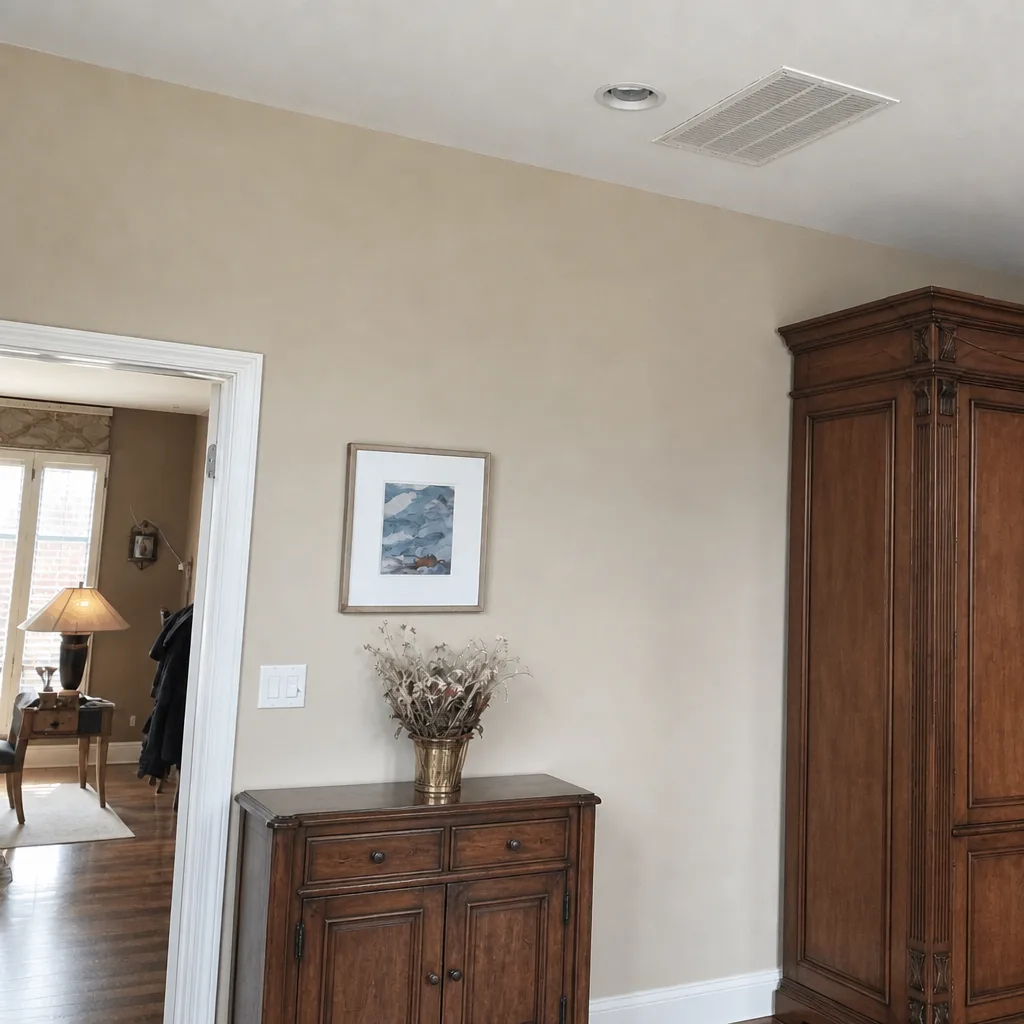 After
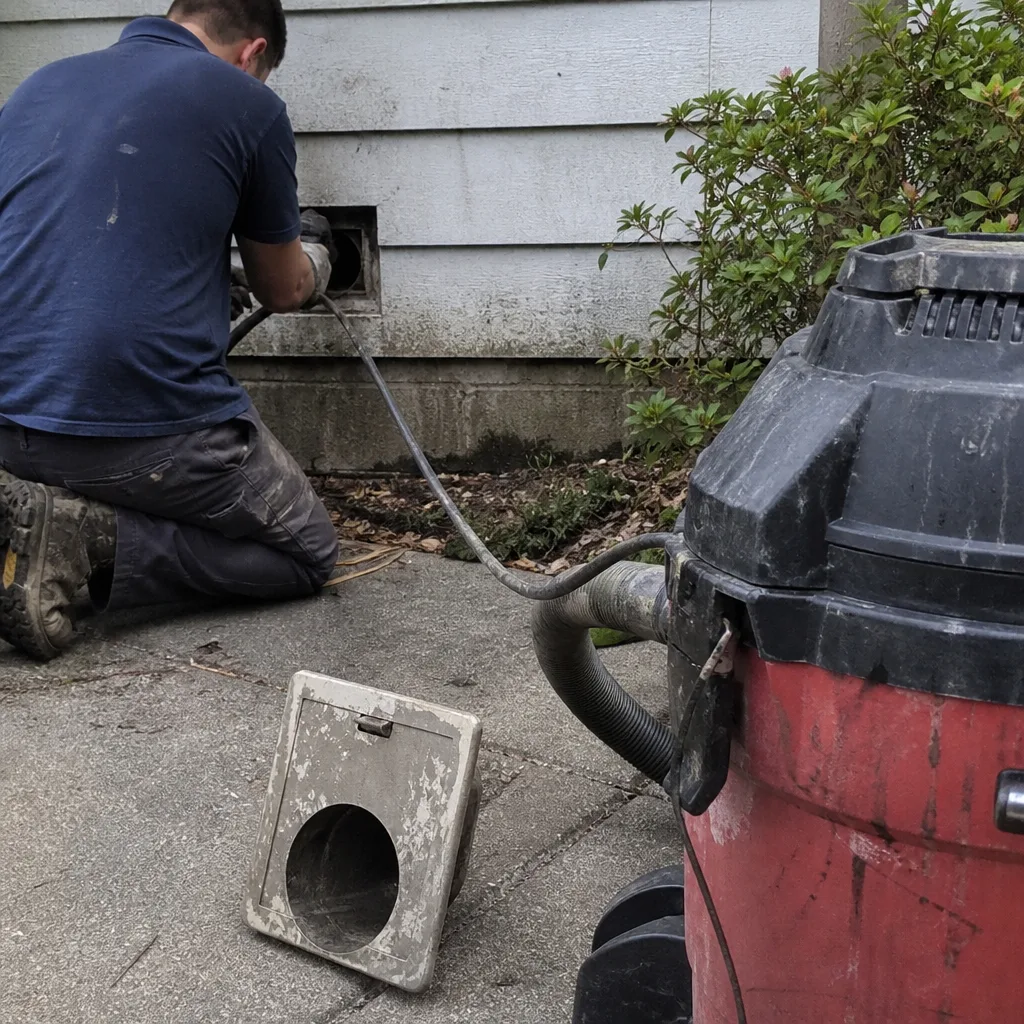 Before
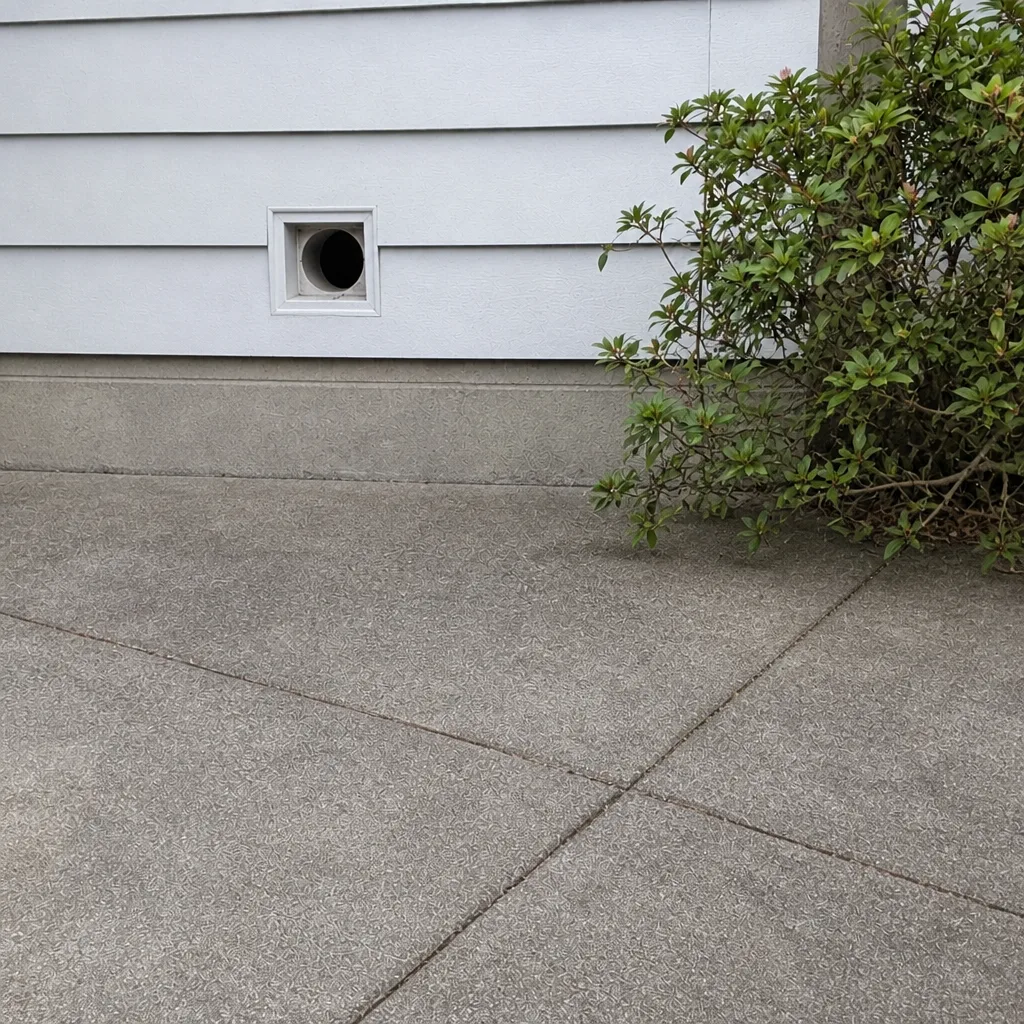 After
When to Call a Professional
Some duct cleaning questions are worth a call, and some are worth booking. If you’ve noticed a persistent dust problem, rooms that never seem to reach the temperature you’ve set, visible debris at a register, or symptoms that appear indoors only, an assessment is worth the call. If you’ve recently remodeled, had work done in the attic or crawlspace, or moved into a home whose duct history is unknown, the assessment is a reasonable starting point. If the dryer vent has never been checked, it’s worth putting on the same call. Our technicians have up to 14 years of experience, and Duct Cleaning Santa Rosa offers free estimates in Santa Rosa. Call (855) 929-1609 to schedule an assessment. We answer 24/7. Fast dispatch from 7am to 7pm, Sunday through Friday.
Frequently Asked Questions
Air duct cleaning in Santa Rosa is priced per system, not per vent, and a fair quote will reflect the number of registers, the accessibility of the air handler, and whether repair is included. The exact number depends on those factors, which is why a phone quote isn’t reliable. A written estimate from a walkthrough is the only quote worth comparing. Call (855) 929-1609 for an exact quote – estimates are free.
Cheap quotes usually come from smaller equipment, a shorter scope, or both. A portable vacuum under 2,000 CFM costs the operator far less than a commercial system near the 4,000 CFM range, and that cost difference shows up in the quote. The other pattern is a low base price with a longer scope revealed after the truck arrives. The way out is the same in both cases: a walkthrough, a written scope, and a flat price per system agreed before work starts. Call (855) 929-1609 if you’d like a walkthrough estimate.
California doesn’t require a specific state license for air duct cleaning, so there’s no state credential to verify. That means insurance, equipment, and written scope are your verification. Ask what vacuum model and filter type will be used, ask for proof of liability coverage, and ask for a written scope before you sign. Call (855) 929-1609 and we’ll walk through what our scope includes.
Ask whether the scope includes before-and-after photos of your own ducts, and insist the answer is yes. Photos of the register boots and duct interiors before and after the cleaning are the only record you have that the work happened. Without them you’re trusting a verbal summary. Call (855) 929-1609 to request a scope that includes documentation.
There’s no fixed schedule that fits every home. A household with pets, recent remodeling, a smoker, or a history of indoor air concerns benefits from assessment more often than a home with none of those factors. In Santa Rosa, the regional fire history adds another reason to check in after a smoke event or a season of open windows and outdoor particulates. If the last assessment is more than a few years old, a walkthrough will tell you whether cleaning is actually warranted or not. Call (855) 929-1609 if you want an honest assessment.
Air duct repair is a standalone service we offer, meaning we can identify and fix compromised duct sections during the same visit as the cleaning. Disconnected runs, split seams, and crushed sections get scoped and priced separately for your approval before repair work starts. If you’re calling around and want to know who can handle both, ask every company whether repair is in their scope. Call (855) 929-1609 to schedule an assessment.
The Bottom Line
Hiring a duct cleaning contractor in Santa Rosa comes down to equipment, transparency, and scope. Because California doesn’t mandate licensing for this trade, the things you can verify in conversation are what matter: the CFM rating of the vacuum, whether it’s HEPA-filtered, whether a walkthrough produces a written scope with register counts and access points, and whether repair is available if the assessment finds damage. Add the dryer vent to the same call and you’ve covered your entire forced-air system in one visit. The cheap quote on the phone is almost never the quote you pay, and the answers to the equipment questions tell you everything. Call (855) 929-1609 for a free estimate; a walkthrough is what makes the estimate real. We answer 24/7. Fast dispatch from 7am to 7pm, Sunday through Friday.
Written by the team at Duct Cleaning Santa Rosa.