
Last updated November 15, 2026
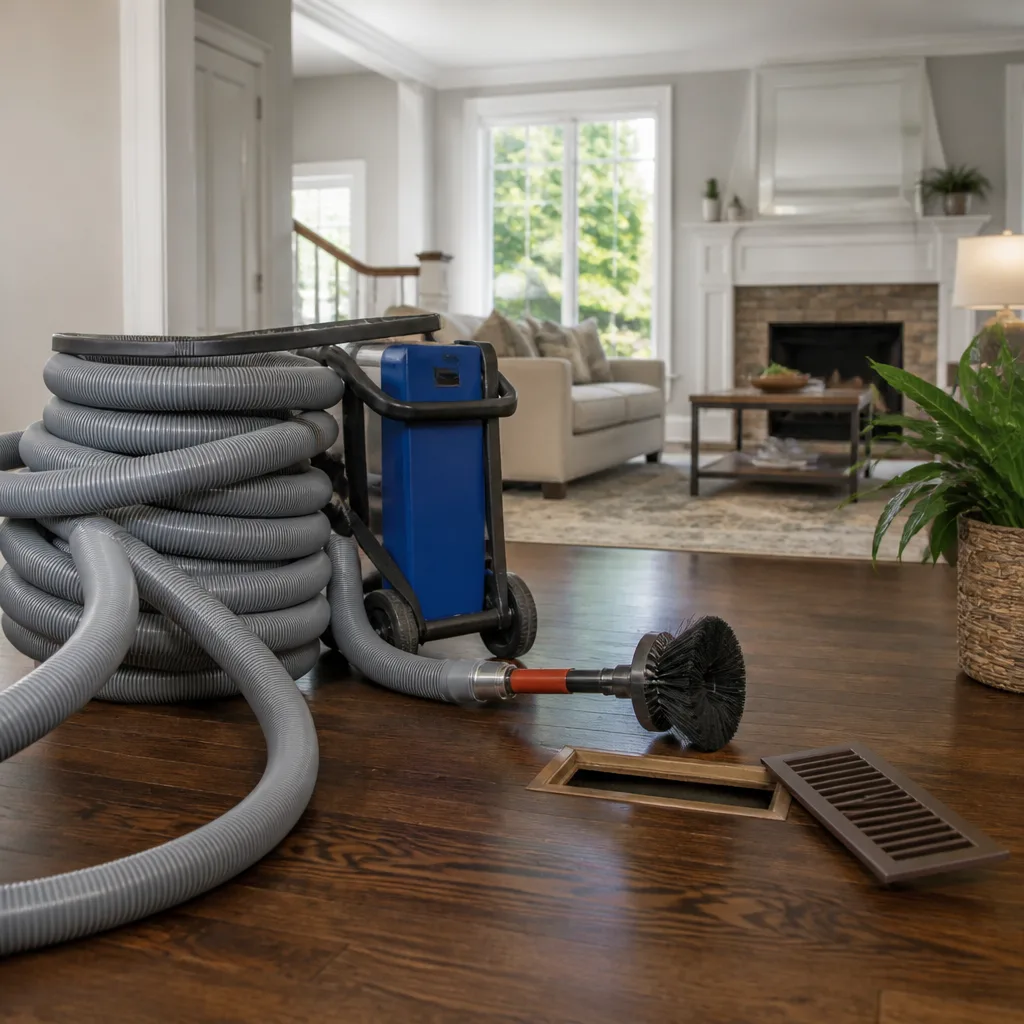 Whole-home duct cleaning
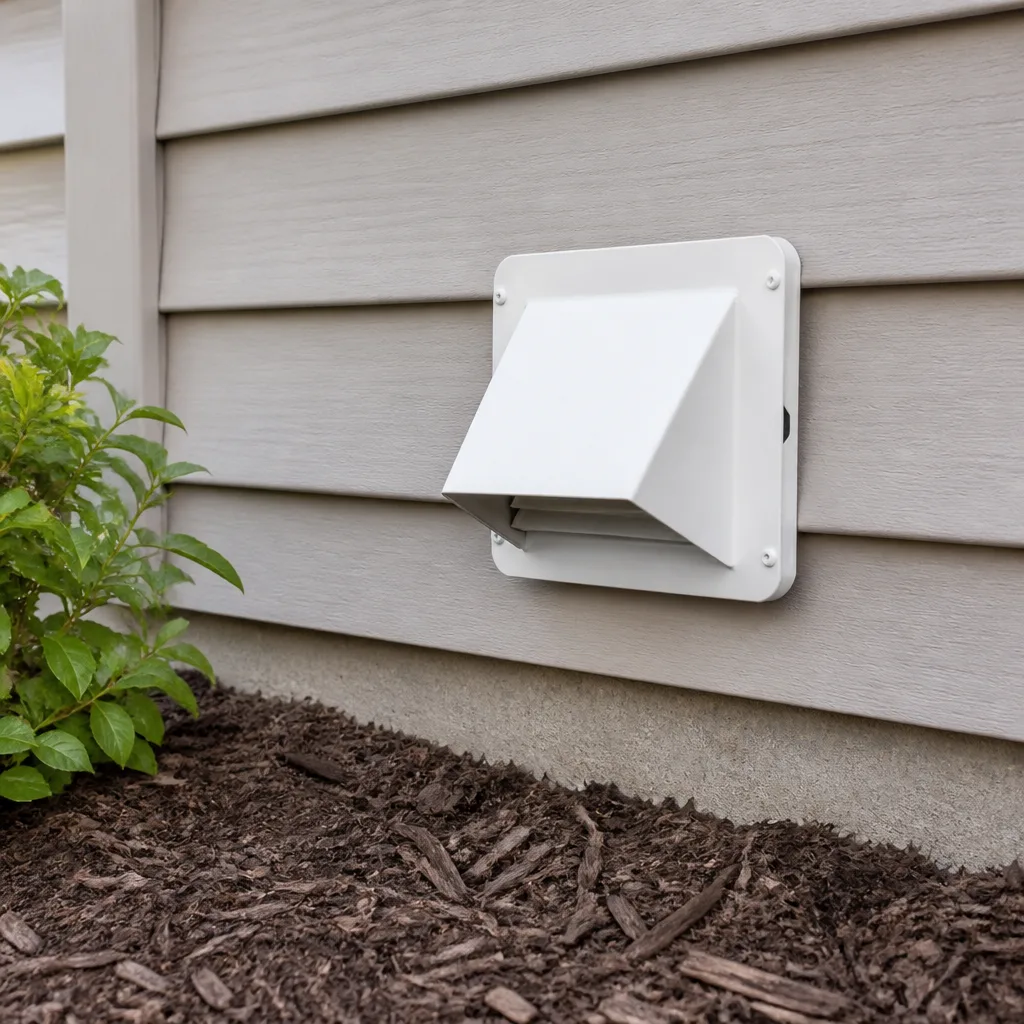 Dryer vent cleaning
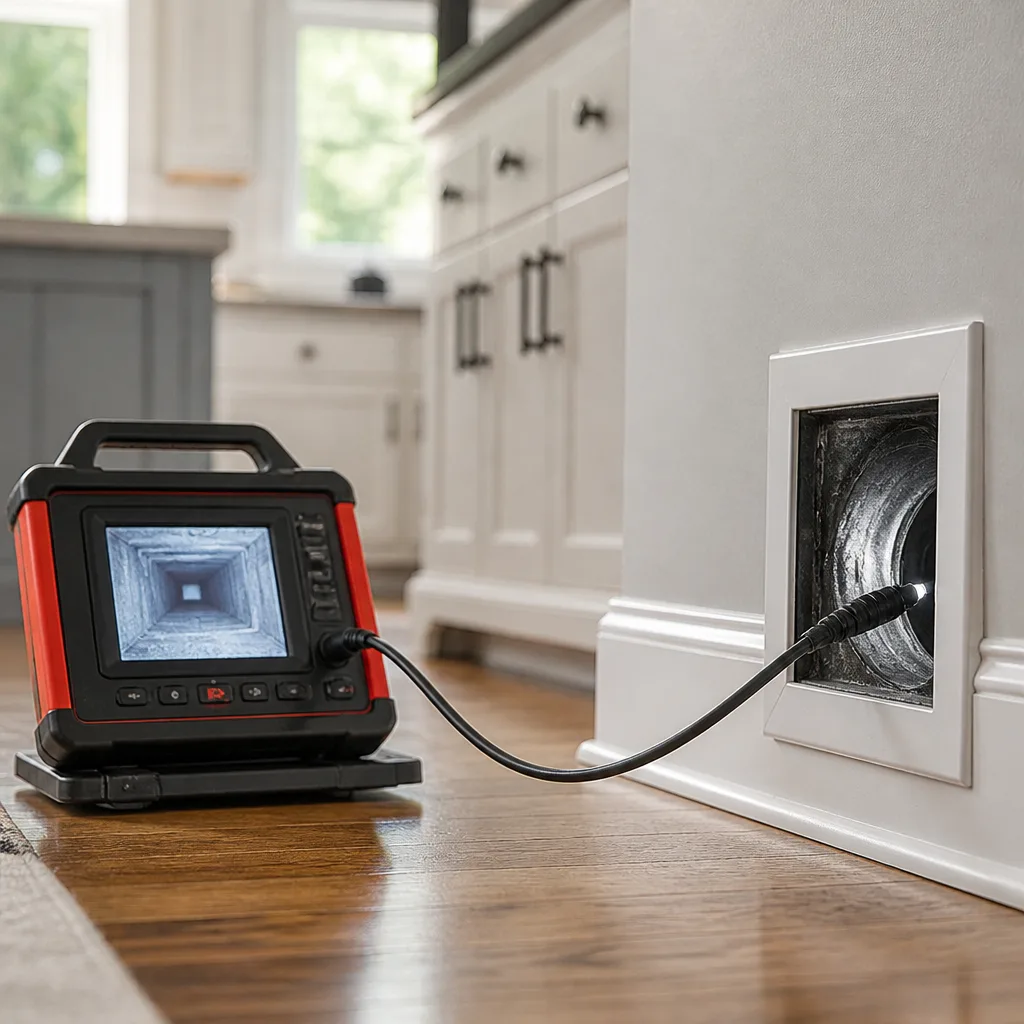 Camera inspection
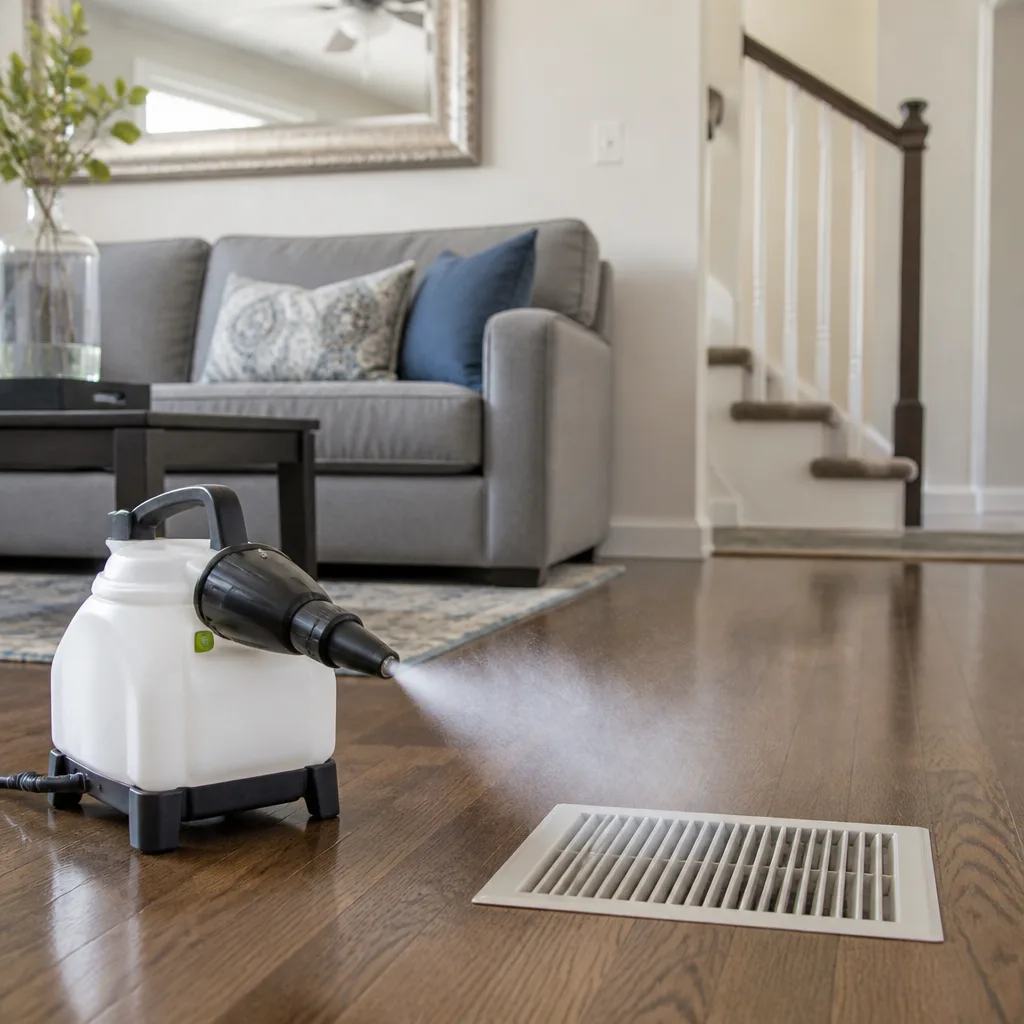 Sanitizing & deodorizing
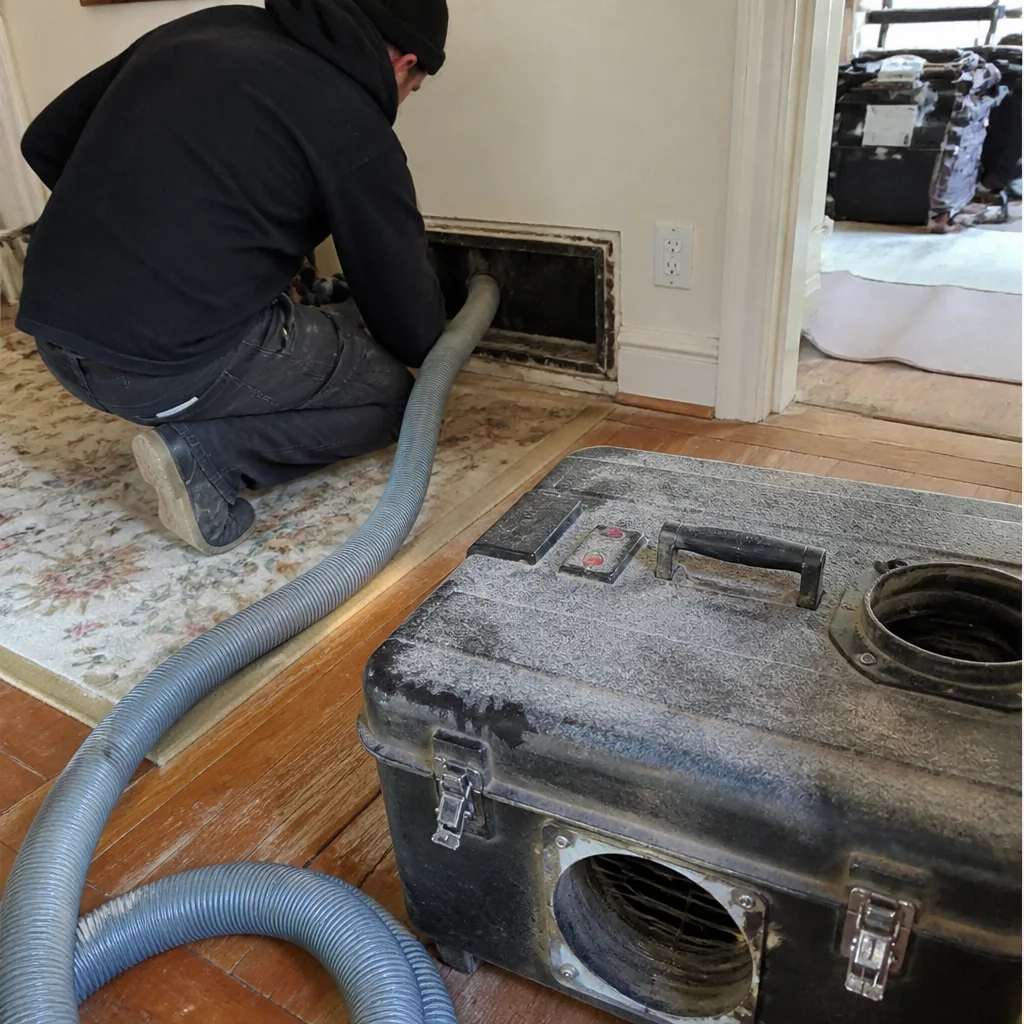
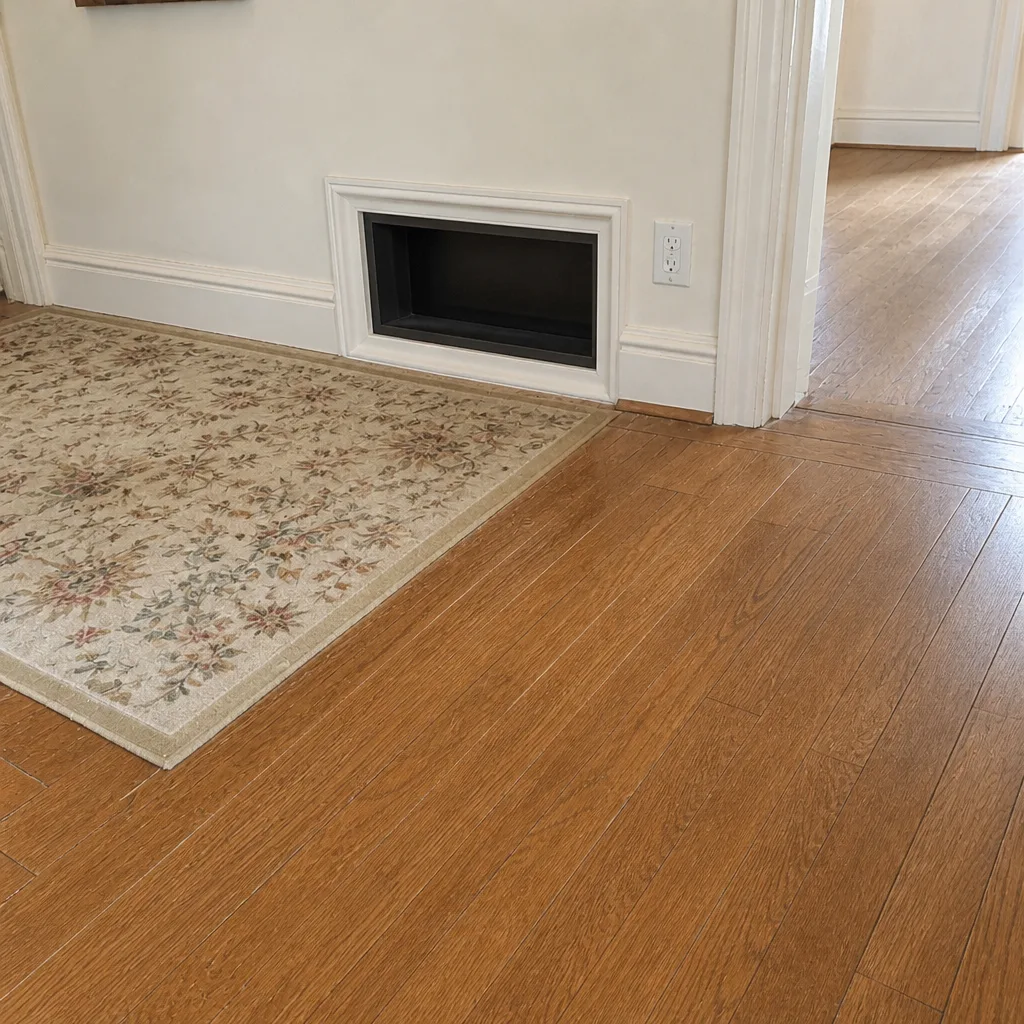
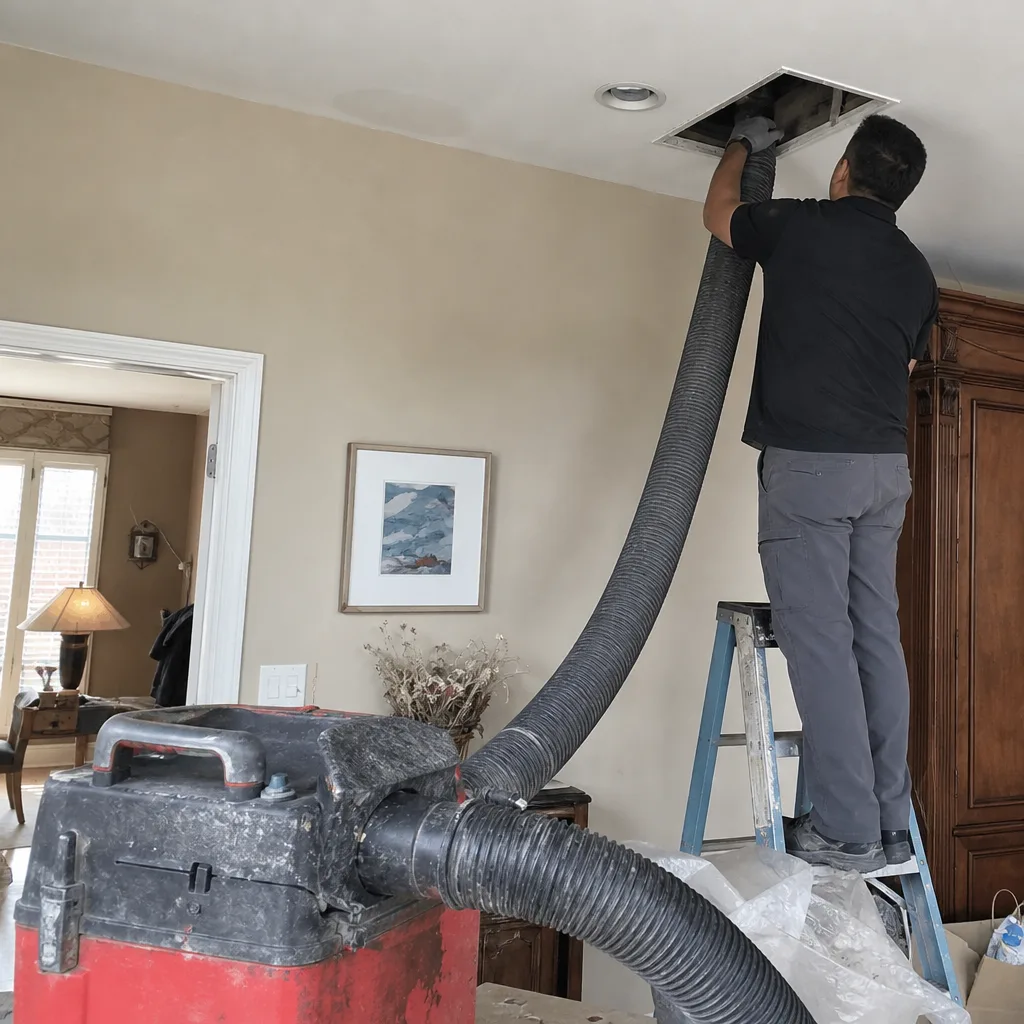
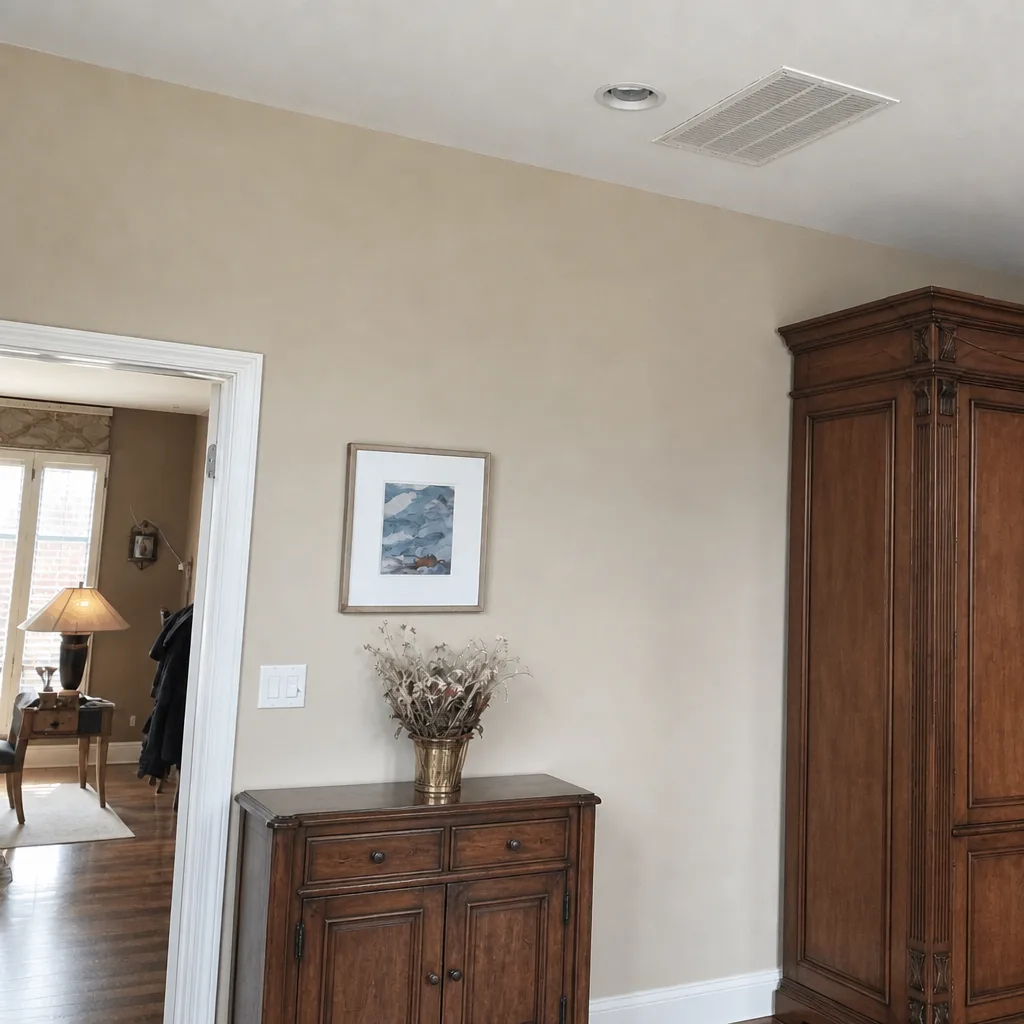
Whole-system duct and dryer vent check with before-and-after photos - you see exactly what came out of your vents
That "$99 whole-house special" is a bait ad - the real number appears once they are in your hallway, or the "clean" is a shop-vac at the register. We photograph the inside of your ducts before and after instead.
Air Duct Cleaning Emergency Preparedness Guide for Santa Rosa Homes
Most homeowners treat duct cleaning as a scheduling convenience, something to get around to when the vents look dusty. Santa Rosa changed that equation. The Tubbs Fire in 2017 and the Kincade Fire in 2019 showed us something the rest of the country learned slowly: a home can survive a wildfire with no visible damage and still have a contaminated forced-air system. During the 2019 Kincade Fire, monitoring in some Santa Rosa homes recorded indoor PM2.5 above 300 µg/m³ with the windows shut. Most of that smoke came in through the HVAC system itself. This guide walks you through what to do before fire season, during a smoke event, and after, so your ducts and your indoor air stay in your control.
Quick Answer
Preparing your ducts for a wildfire emergency in Santa Rosa means three things: sealing and filtering the system before fire season each June, shutting the system down and closing your outdoor air damper when smoke approaches, and getting a professional inspection before you restart anything after ash has fallen. Surface ash can be cleaned with contact-vacuum equipment; smoke odor embedded in duct liner usually needs source removal plus hydroxyl or ozone treatment. A proper post-event assessment is the step most homeowners skip and later regret.
Styles & brands we work with
- Whole-home duct cleaning
- Dryer vent cleaning
- Camera inspection
- Sanitizing & deodorizing
Table of Contents
- Why Santa Rosa Duct Systems Face a Different Risk
- Pre-Season Preparedness: What to Do Before June
- Before a Fire Event: Exact HVAC Shutdown Sequence
- Post-Event Assessment Before You Restart the System
- Smoke Odor in Duct Liner vs. Surface Ash: Two Different Problems
- Documenting Duct Contamination for Insurance
- When to Call a Professional
- Why Repair and Cleaning Go Together
Why Santa Rosa Duct Systems Face a Different Risk
Santa Rosa sits in a bowl of valleys and hills where wind patterns push smoke from surrounding ridges straight into residential neighborhoods. The Coffey Park, Fountaingrove, and Rincon Valley areas have all experienced smoke intrusions severe enough to close schools and cancel events, even when no fire came near those specific streets. What’s often missed is what happens indoors during those days.
Most residential HVAC systems pull a percentage of their return air from outside through an intake near the air handler. When outdoor air quality drops, that intake becomes a direct pipeline. Running the fan circulates contaminated air from the return plenum into every room the duct system serves. Filter media catches some particulates but does almost nothing for gases, VOCs, and the fine smoke particles that carry odor. And once the smoke event ends, the ash and residue that settled inside the return plenum and duct liner stay there, re-releasing into the airstream every time the system runs.
This is why duct cleaning after a wildfire isn’t the same job as routine maintenance. Routine cleaning removes household dust. Post-fire cleaning removes combustion residue, fine ash that has adhered to the interior duct surfaces, and any odor compounds that have been absorbed by fiberglass liner or flex duct. Combustion byproducts behave differently from ordinary dust. They bind to surfaces, they lodge into porous materials, and they keep off-gassing long after the visible smoke clears.
Santa Rosa homeowners also live with mild winters and long dry seasons that keep windows open more months of the year than in colder climates. That sounds helpful, but open windows during a smoke event can pull more contamination in than a closed system ever would. Homes with a whole-house fan or an economizer on the HVAC are especially vulnerable because those systems actively draw outdoor air inside.
Pre-Season Preparedness: What to Do Before June
Every fire season in Santa Rosa has a start; the preparation should happen before it. June is the practical deadline for getting your system into a defensible position. Here’s what that looks like, in order.
- Upgrade your filter to a MERV 13 or higher. Standard 1-inch fiberglass filters catch almost nothing meaningful for smoke. A pleated MERV 13 filter is the practical floor for smoke protection, and if your air handler can accept a thicker media cabinet filter (4 or 5 inches), you’ll get better filtration with less airflow restriction. Check the filter slot size before you buy; Santa Rosa homes vary widely between older 1-inch slots and newer 4-inch media cabinets.
- Verify the outdoor air damper. Many systems have a manual damper or a motorized one on the fresh-air intake. Find it, label it, and confirm it actually closes fully. A damper that sticks halfway open is worse than not having one, because it gives you false confidence when you try to seal the system.
- Seal obvious return-pathway leaks. Return plenums in attics and garages are the most common leak points. Look for gaps at the air handler cabinet, at duct boots, and where the return duct passes through interior walls. Foil tape and mastic seal these in an afternoon; anything bigger is a duct repair call.
- Confirm the system has a fresh filter in place before smoke season. A clogged filter during a smoke event forces air around it and past the frame, sending unfiltered air into the system. New filters in May, another change if a fire event runs long.
- Schedule a professional duct inspection. Getting eyes inside the ductwork before an emergency means you know what condition you’re starting from. You also find out now whether the liner is failing, whether the system has any deteriorated flex duct, and whether you’ve already got accumulation that needs attention.
- Know your smoke-day setup in advance. Write the shutdown steps on a sticker on the air handler. Nobody remembers the sequence in the first hour of a smoke event.
One more preparation step that’s cheap and often overlooked: a portable HEPA air purifier sized for your main living space. It won’t fix duct contamination but it’ll buy time during a smoke event while the system is off. Pairing that with a properly sealed duct system is what makes closed windows actually work.
Before a Fire Event: Exact HVAC Shutdown Sequence
When a fire starts upwind and smoke is heading your way, the impulse is often to keep the system running and hope the filter handles it. That’s the wrong call. Here’s the sequence we recommend, in this order.
- Turn the thermostat to OFF, not AUTO. Fan-only mode still moves air. AUTO cycles the fan on heat or cool calls; OFF stops it. When smoke is in the air and you want to minimize circulation, OFF is what you want.
- Close the outdoor air damper. Manual damper: handle to the closed position. Motorized damper: some systems close them automatically on power-off, some don’t. Check, then verify. A closed damper means the return plenum isn’t pulling outside air into the house.
- Close all windows and exterior doors. Seal gaps under doors with a rolled towel if you have to. The point is to break the pressure differential that would otherwise pull smoke in through every small opening.
- Don’t run recirculation mode as a workaround. Running the fan with the damper shut still has a risk: any unfiltered leak in the return system opens a new path for smoke to infiltrate. Running the system during an active smoke event also spreads whatever is already in the plenum throughout the house. Off is off.
- Switch to portable HEPA purifiers in the main living rooms. Run them on high until outdoor air quality returns to normal.
- Keep the thermostat off until the smoke clears and you’ve done a post-event assessment. It’s tempting to kick everything back on once you can see blue sky. Wait. See the next section for what to check first.
If a fire event runs long enough that indoor temperatures become unsafe, running the system with the damper closed and a fresh MERV 13 filter is a judgment call. If you have to run it, close the damper first and change the filter after. If the smoke event is ongoing, plan on a professional inspection before running the system hard again.
Post-Event Assessment Before You Restart the System
The restart is where most homeowners lose ground. Once smoke has cleared and the sky is blue, the system feels safe to run. It usually isn’t. Here’s the assessment sequence we walk through on every post-fire call in Santa Rosa.
- Check the filter first. Pull it and look at it in daylight. A filter that was white two weeks ago but is now gray-black with visible ash has done its job catching some particulates, but its condition tells you how much contamination entered the system. If the filter looks lightly dusty, the system likely caught most of the load. If the filter is heavily loaded and dark, or if you find ash on the downstream side of the filter, more material than you want got past it.
- Look inside the air handler cabinet for ash deposits. Open the access panel with the power off. Fine ash on the blower wheel, on the interior cabinet surfaces, or on the evaporator coil is a sign that a professional inspection is needed before operation. Ash on the coil is especially concerning; the coil traps it, and it will re-entrain into the airstream on every run.
- Sniff-test the supply registers room by room. Walk to each register and put your face close. A faint smoky smell that doesn’t fade after several minutes of running is a sign of contamination in the duct liner or the plenum. A mild smell that resolves in a few minutes is often surface dust that needs to clear.
- Inspect visible ducts in the attic or crawlspace. Look for ash accumulation on top of duct runs, especially near the air handler and any flex duct that runs through a vented attic. Ash sitting on the outside of the duct is less of a problem than what’s inside, but it’s an indicator of overall exposure.
- Test airflow at the far registers. If you’re seeing weak airflow at the farthest supply registers after a fire event, the filter may be clogged, or the system may have taken on damage. Either way, don’t ignore it.
Any of these findings that points to ash inside the cabinet, contamination on the coil, or persistent odor puts you in professional-cleanup territory. Running the system in that condition recirculates combustion residue through the entire house and can bake odor compounds into the duct liner permanently.
Smoke Odor in Duct Liner vs. Surface Ash: Two Different Problems
The single most consequential distinction in post-fire duct work is between surface ash and smoke that has permeated the duct liner. They look like the same problem from outside. They’re not, and they don’t take the same remediation.
Surface-deposited ash is what you’d expect: fine particulate that settles on duct interiors, the plenum, and the blower. It’s friable, meaning it can be disturbed and re-entrained into the airstream. Remediation is source-removal cleaning. Contact-vacuum brush systems like our Rotobrush rigs agitate the duct surface while a HEPA-rated vacuum, like the Nikro units we run, captures the dislodged material. Negative-air machines from Abatement Technologies pull the workspace into containment so what comes off the duct doesn’t end up in your living space. Once the source material is gone, the duct is clean. Problem solved.
Smoke odor embedded in duct liner is a different animal. Fiberglass liner and flex duct have porous interior surfaces, and combustion gases penetrate them. You can brush and vacuum the surface clean and still smell smoke months later because the compounds are inside the material. This is where odor treatment comes in. Hydroxyl generators and ozone treatment oxidize the odor compounds at a molecular level. The two approaches work differently. Hydroxyl treatment is safer for occupied spaces and takes longer; ozone is faster but requires the space to be unoccupied during treatment. Both reduce odor only after source removal cleaning has been done first. Treating odor on top of surface ash just buries the ash.
In our experience, duct runs closest to the air handler and the return plenum are where liner odor is most concentrated. The return has been pulling contaminated air directly across its surface for days or weeks. That’s the section that usually needs the most attention after a fire event in Santa Rosa.
Documenting Duct Contamination for Insurance
Insurance claims for duct contamination after a fire event succeed or fail on documentation. Adjusters can’t see what’s inside your ducts, so what you photograph and record decides whether the work gets covered. Here’s what adjusters actually use.
- Before-cleaning photographs of the filter in place. A date-stamped photo of the dirty filter before you remove it, alongside a new filter for scale, shows the extent of loading during the event.
- Interior duct photographs. A shot from a borescope or the professional inspection camera showing ash deposits on the duct interior is far more convincing than a description. Request copies from whoever inspects the system.
- Filter change records. Dates and receipts of every filter you changed during and after the event. Adjusters use this to establish that the loss was real and that you responded appropriately.
- Air quality readings. If you have a portable air quality monitor, log readings indoors versus outdoors during the smoke event. Even a consumer-grade monitor’s readings help establish a timeline.
- Written inspection findings. A professional report that describes the duct condition in specific terms (visible ash in the return plenum, contamination on the evaporator coil, liner odor test result) is the document adjusters rely on most. Get it in writing.
- Before-and-after photographs of the cleaning itself. Have your cleaning provider supply before-and-after photos of your own ducts. This documentation is standard practice for us and it closes the loop for adjusters who want to see that the work was actually done.
One important note: don’t clean before you document. A clean duct can’t be documented as contaminated. Photograph first, clean second, and file every piece of documentation together in case the claim gets revisited months later.
When to Call a Professional
Some post-fire duct work is genuinely a homeowner call: swapping a filter, closing a damper, sealing a small gap. Most isn’t. Call a professional if any of these apply after a smoke event in Santa Rosa.
- You smell smoke at the registers more than a few minutes after running the system, or the smell persists days later.
- You can see visible ash on the air handler cabinet interior or on the evaporator coil.
- Any supply register has weak airflow compared to before the event.
- Your filter was heavily loaded during the event, even if you changed it promptly afterward.
- Anyone in the household has asthma, allergies, or another respiratory condition that makes indoor air quality a health matter.
- You’re filing an insurance claim and need professional documentation.
- You’re considering an air quality upgrade and want to know whether duct remediation should come first.
Duct Cleaning Santa Rosa offers free estimates in Santa Rosa – call (855) 929-1609. We answer 24/7. Fast dispatch from 7am to 7pm, Sunday through Friday. We’ll walk through what you’re seeing and tell you what the system needs, whether that’s cleaning, an air quality upgrade, or air duct repair.
Why Repair and Cleaning Go Together
Smoke infiltration in a Santa Rosa home often reveals a duct problem that was there all along. Return plenums with gaps, joints separated by years of thermal cycling, flex duct with tears at the boots, and connections that have pulled apart behind walls. These don’t show up during routine life because the system runs fine. They show up during a smoke event because that’s when every leak becomes visible as smoke moving through it.
If we clean a duct system and leave those leaks in place, the next smoke event just re-contaminates it. That’s why we treat air duct cleaning and duct repair as one job. Our technicians have up to 14 years of experience diagnosing duct problems, and the same visit that cleans the ducts can seal the leaks and fix the structural issues that let smoke in.
Air quality upgrades are also part of the picture. If you’re adding a Honeywell or Aprilaire air quality system during post-fire remediation, the ducts should be clean and sealed first. Putting a filter or an in-duct purifier into a contaminated system just means the new equipment is fighting a losing battle from day one. When we work with these systems, we integrate them at the right time: after the source material is gone and the ductwork is sound.
And don’t overlook the dryer vent. Post-fire events are the right moment for dryer vent cleaning as well. Lint accumulation is a leading cause of residential structure fires, and the same smoke and ash that contaminate the HVAC ducts can lodge in the vent run. It’s one more source of fire risk that doesn’t need to stay in place. One call covers all of it.
See the difference
 Before
 After
 Before
 After
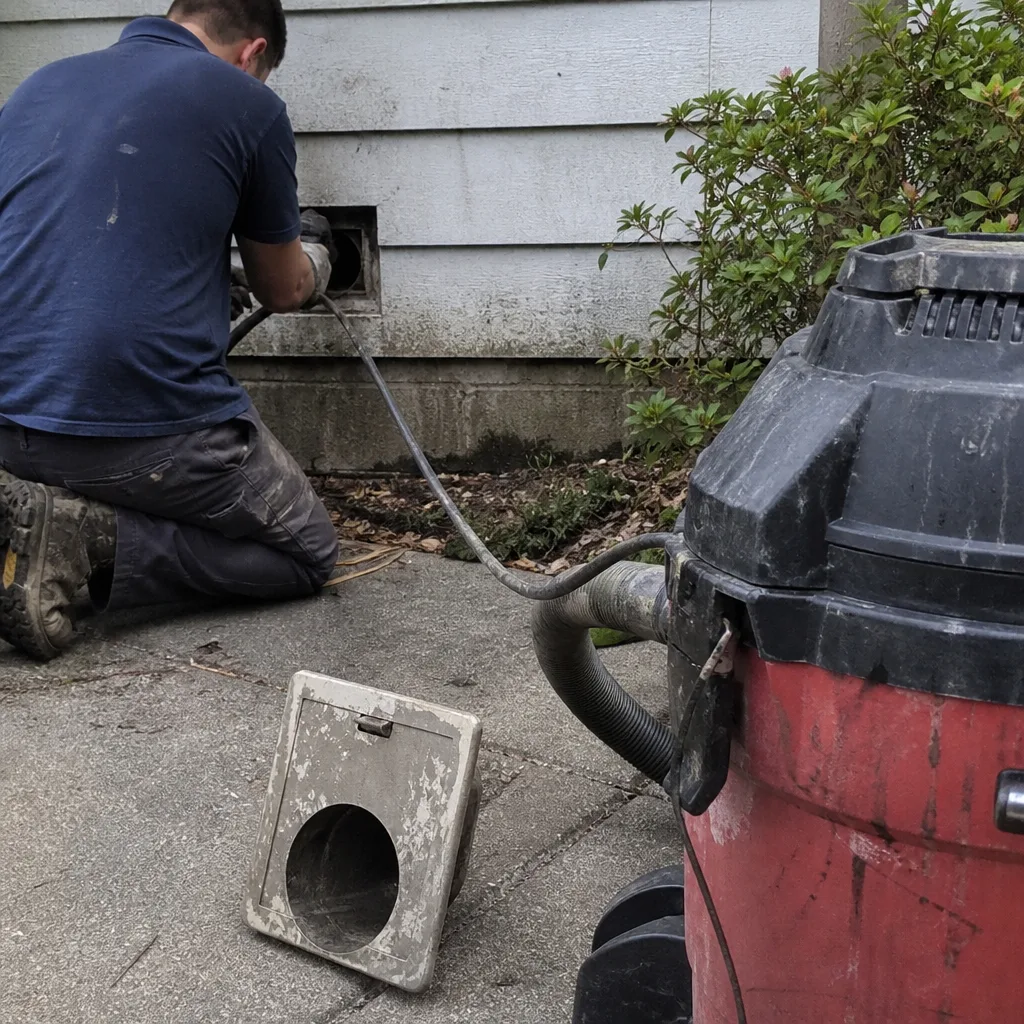 Before
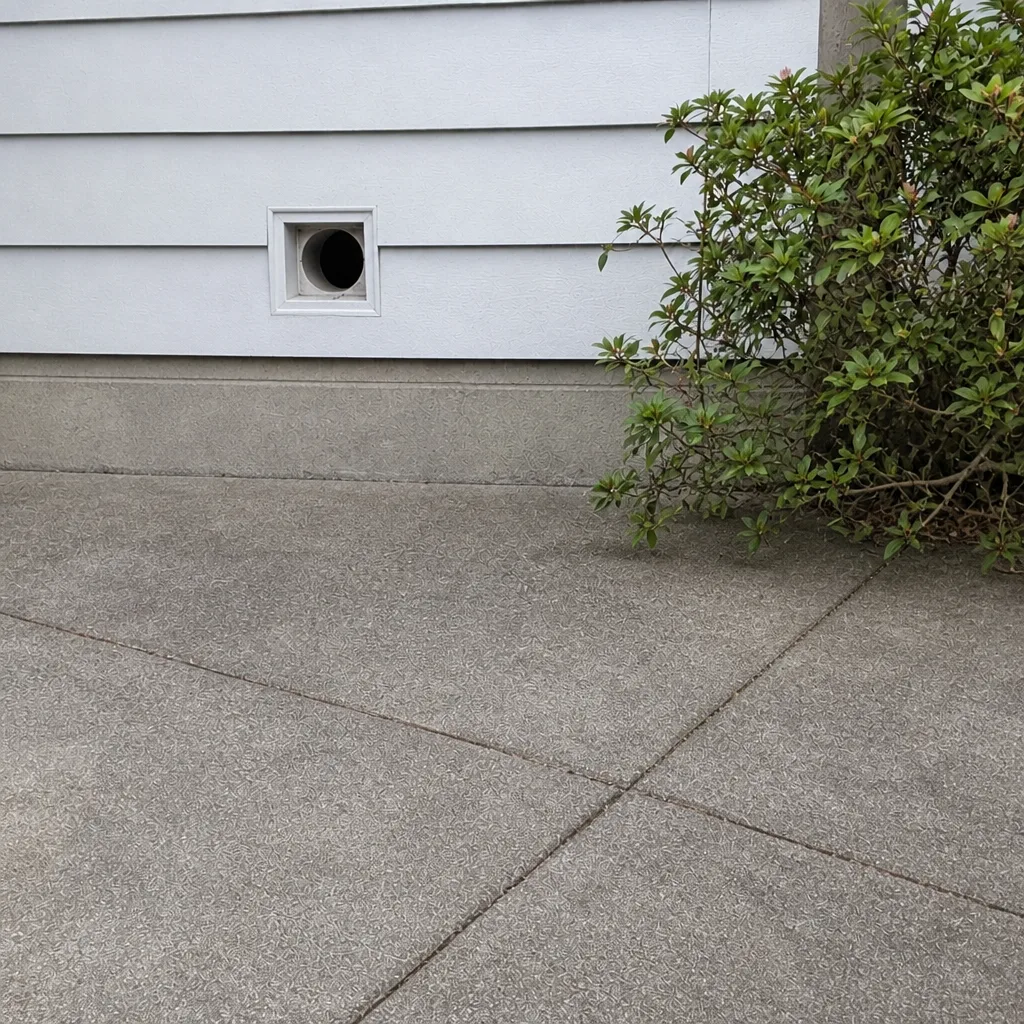 After
Common Mistakes to Avoid
- Running the system during an active smoke event. The fan pulls smoke into the return plenum and distributes it through every supply register in the house. Off is off; recirculation mode with the damper closed still spreads contamination through leaks.
- Skipping the post-event inspection and just changing the filter. A new filter on a contaminated system does nothing for the ash that’s already on the coil or in the duct liner. The odor persists, the coil stays fouled, and eventually the system runs less efficiently and the smell gets worse.
- Treating odor with a spray or plug-in air freshener. Masking an odor compound doesn’t remove it and doesn’t fix the source. Smoke that’s embedded in duct liner needs source removal first, then hydroxyl or ozone treatment, not a fragrance layer.
- Cleaning before documenting for insurance. Clean ducts can’t be documented as contaminated. Photograph, file, then clean. In Santa Rosa claims, before-and-after photos of your own ducts are what close the loop with adjusters.
- Assuming the filter size was correct. A filter that’s technically the right nominal size but doesn’t seal to the frame lets air bypass entirely. Smoke pulls right around the edges of a loose filter. Check that the gasket or frame is snug before you trust the filter through a fire event.
- Ignoring the outdoor air damper. If you don’t know where it is or whether it closes, you don’t have one. Find it, label it, and test it before June, not during the first smoke event of the season.
- Hiring a shop-vac-and-truck crew for post-fire cleaning. Surface ash needs contact-vacuum brushing plus HEPA-rated capture to remove properly. The right equipment matters more after a fire event than during routine cleaning, not less.
Frequently Asked Questions
Post-fire duct cleaning depends on system size, the number of vents, and whether odor treatment or duct repair is required, so pricing is set per job by a written estimate rather than per-vent. We give one flat price per system agreed before work starts. Call (855) 929-1609 for a free estimate. We answer 24/7. Fast dispatch from 7am to 7pm, Sunday through Friday.
Only if the filter caught the whole load and the system stayed sealed. If you can smell smoke at the registers after a few minutes of running, or if you see ash inside the air handler cabinet, the filter wasn’t enough and the system needs professional cleaning. A post-event inspection tells you which category you’re in.
Indefinitely if the source isn’t removed. Smoke compounds that penetrate fiberglass liner or flex duct keep off-gassing on every system run until the liner is either source-cleaned and treated or replaced. Surface cleaning alone usually doesn’t resolve liner odor.
Cleaning removes ash, dust, and residue from inside the ducts. Repair fixes the leaks, separated joints, and deteriorated flex duct that let smoke in and let conditioned air out. A properly prepared Santa Rosa home needs both; if the ducts are cleaned but the leaks remain, the next smoke event puts the contamination right back.
Ask for before-and-after photographs of your own ducts, not stock images from another job. Any professional duct cleaning service should be able to provide a written inspection report, before-and-after photos, and a copy of the findings if there were issues. We provide all three as standard practice.
Always first. A Honeywell or Aprilaire system added to a contaminated duct system has to fight ash and residue from the moment it’s installed. Source-removal cleaning and any needed repairs should come first, then the air quality upgrade goes into a clean, sealed system.
A routine cleaning every few years is normal for most homes. After any significant smoke event that loaded your filter heavily, get an inspection even if you don’t need cleaning yet. If your home is in a neighborhood that’s been through multiple fire seasons, a lighter cleaning and inspection cadence makes sense – call us and we’ll talk through what fits your situation.
Yes. Dryer vent cleaning is part of our service scope and it’s directly relevant after a fire event because lint accumulation is a leading cause of residential structure fires. One call covers duct cleaning, dryer vent cleaning, and any duct repair you need. Call (855) 929-1609 to book an estimate.
The Bottom Line
Duct system preparedness in Santa Rosa is a specific practice with specific steps: seal and filter before June, shut the system down when smoke approaches, close the damper, and assess carefully before you restart anything. Surface ash needs source-removal cleaning with contact-vacuum and HEPA-rated equipment. Liner odor needs source removal followed by hydroxyl or ozone treatment. Documentation before cleaning is what makes the insurance piece work. Knowing the sequence in advance is what makes the whole thing manageable.
If any of this is beyond a thermostat setting and a filter change, we’re here to help. Duct Cleaning Santa Rosa is a full-scope shop: duct cleaning, duct repair, and dryer vent cleaning in one call. To reach the Santa Rosa service area, call (855) 929-1609 for a free estimate. We answer 24/7. Fast dispatch from 7am to 7pm, Sunday through Friday. We’ll give you a written assessment, one flat price per system agreed before any work starts, and before-and-after photos of your own ducts so you know exactly what was done.
Written by the team at Duct Cleaning Santa Rosa.