
Last updated November 15, 2026
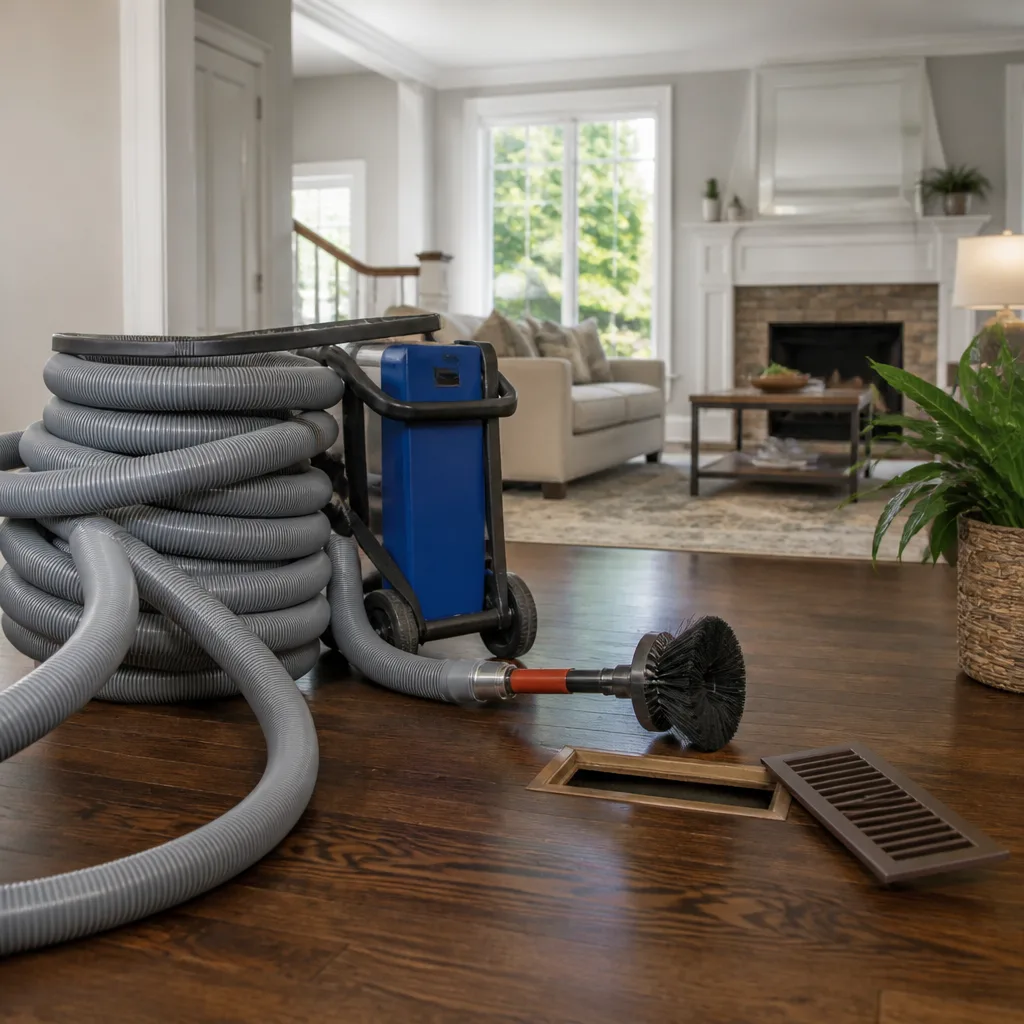 Whole-home duct cleaning
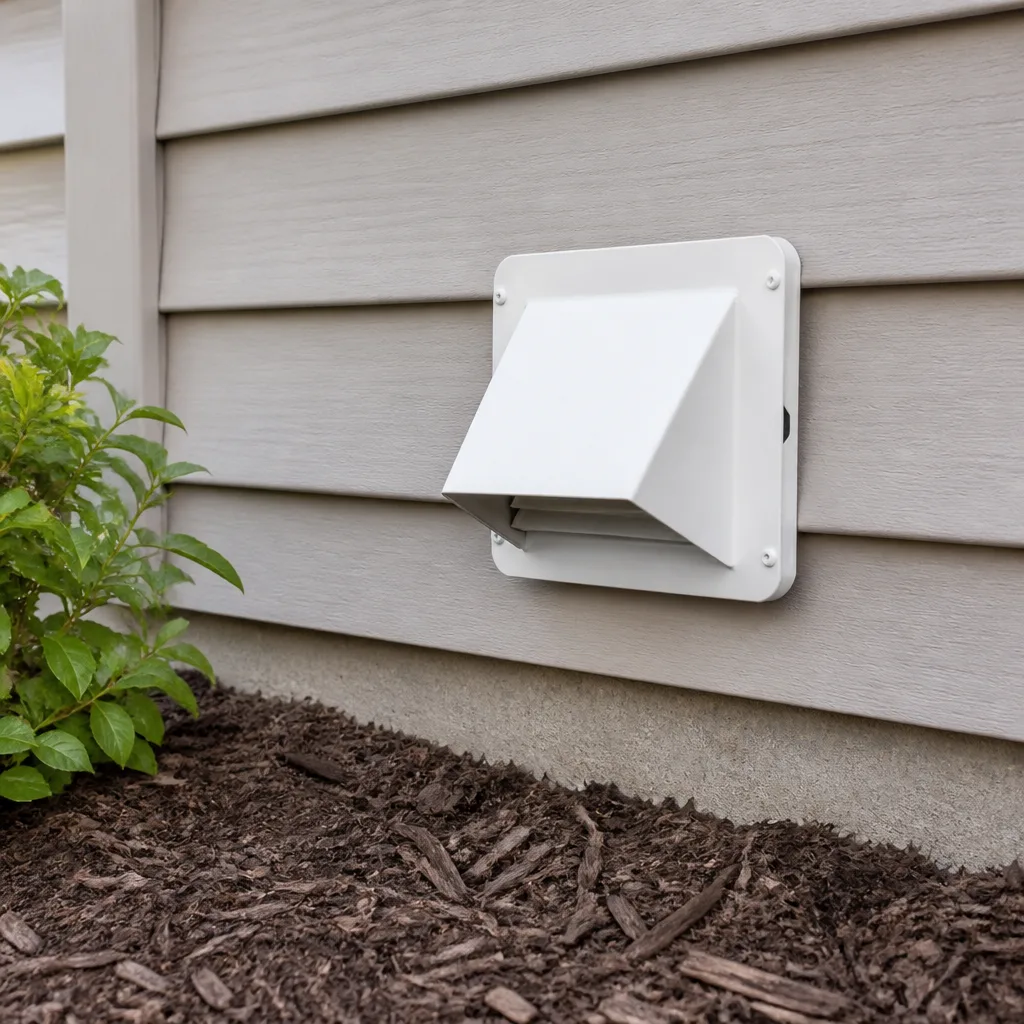 Dryer vent cleaning
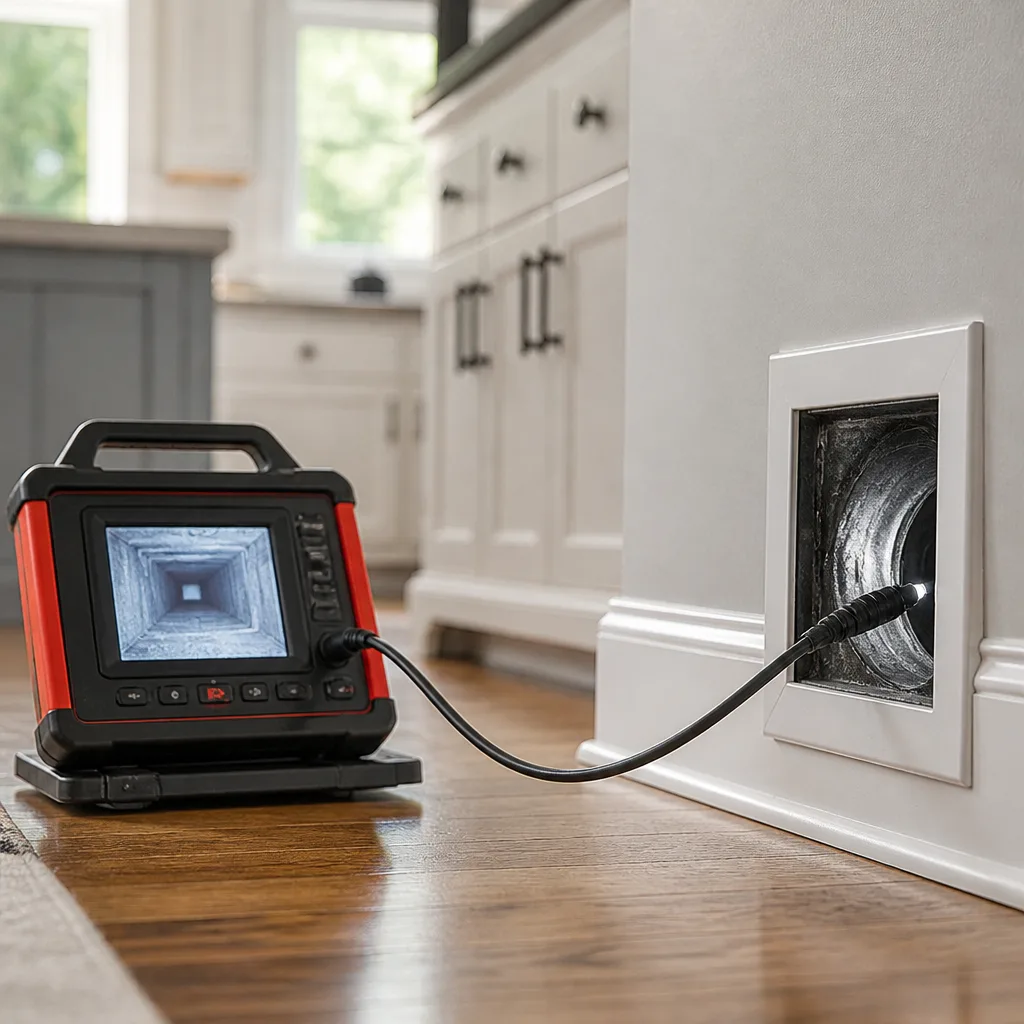 Camera inspection
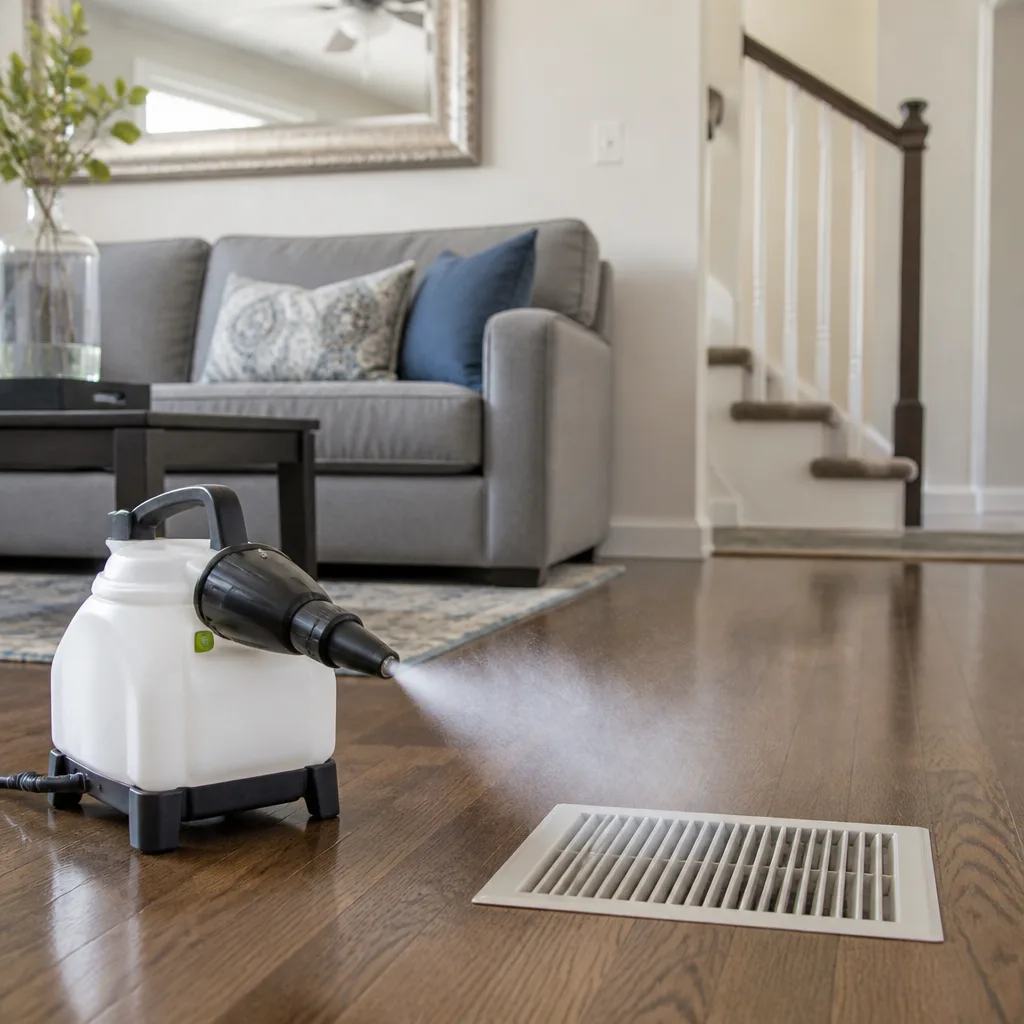 Sanitizing & deodorizing
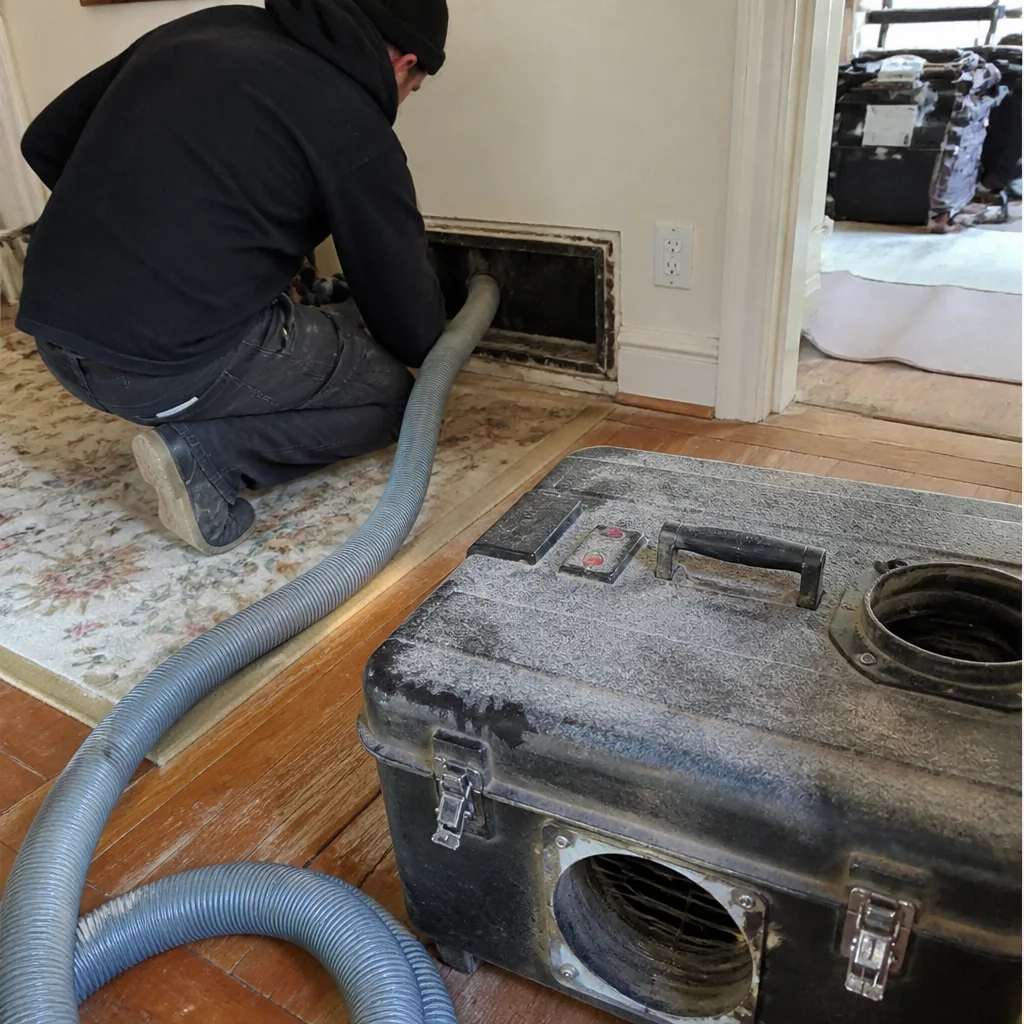
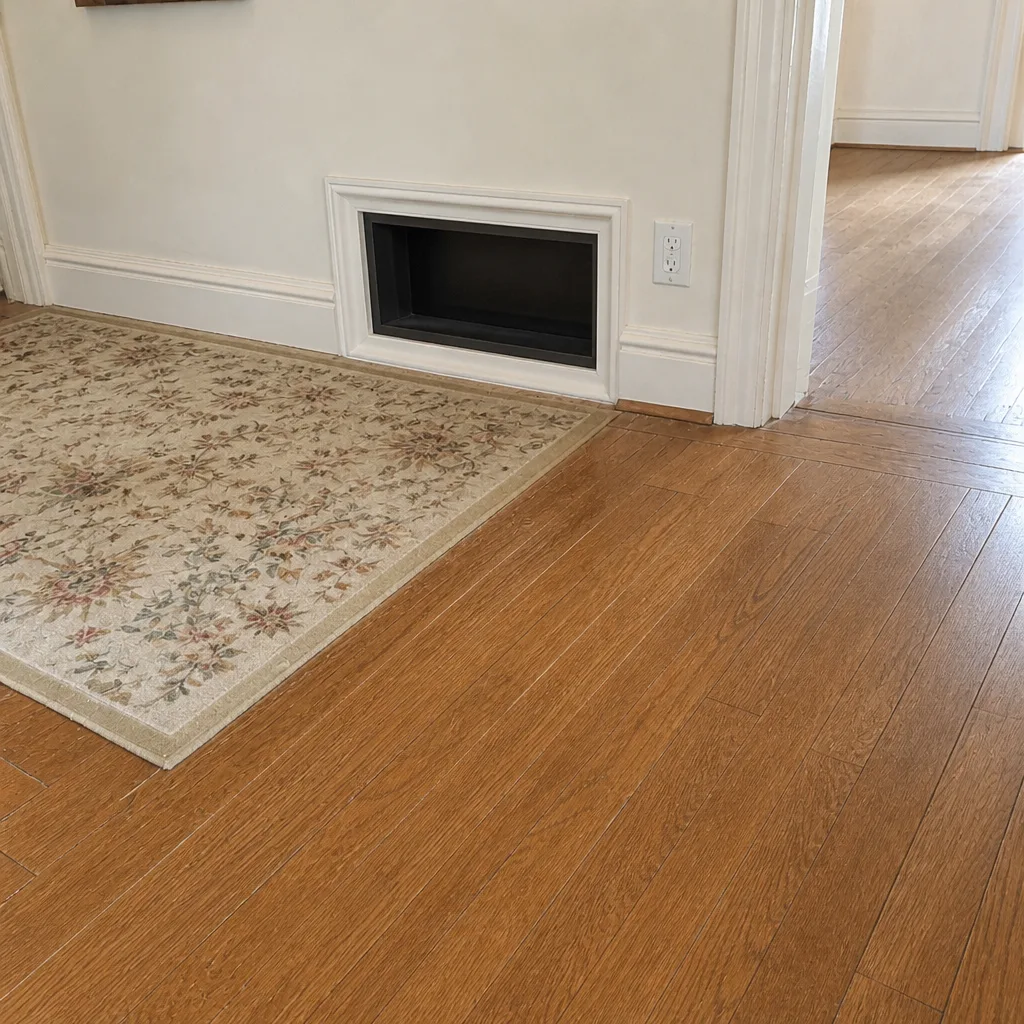
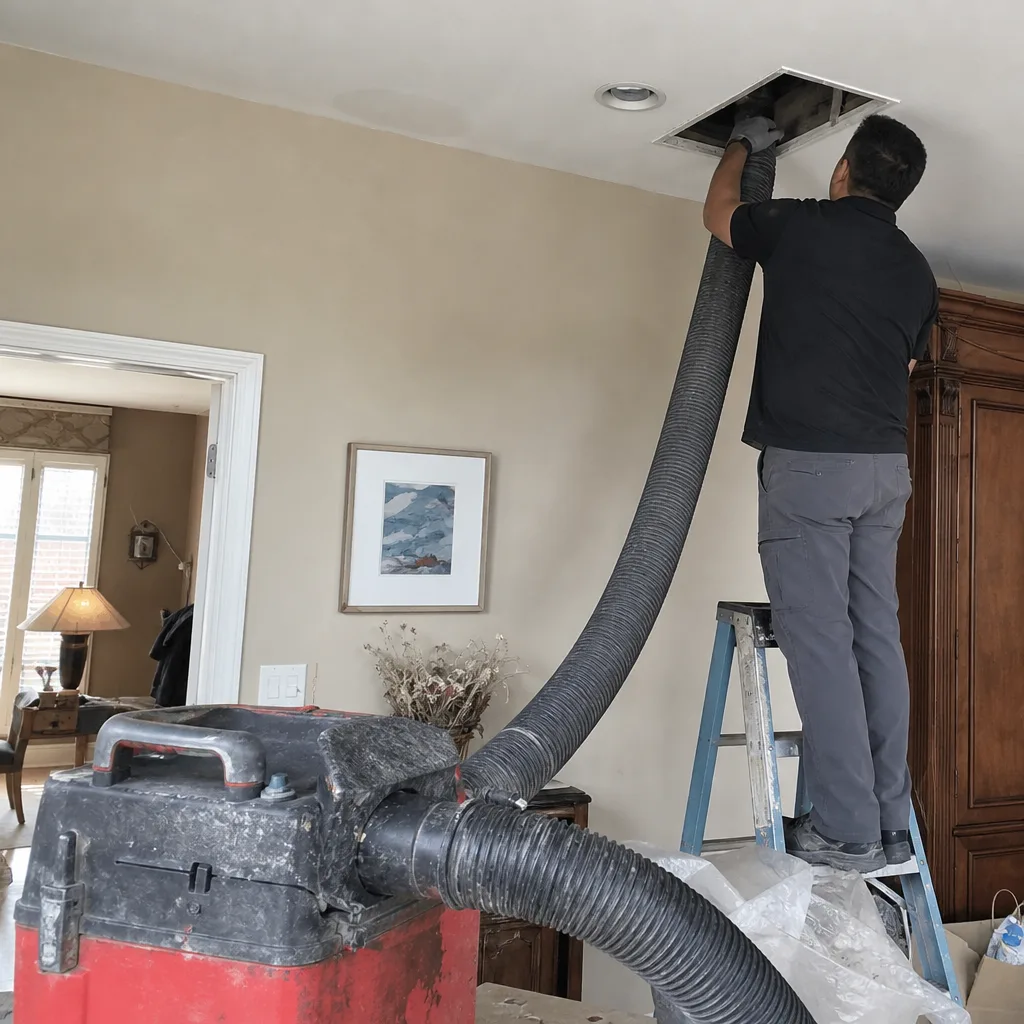
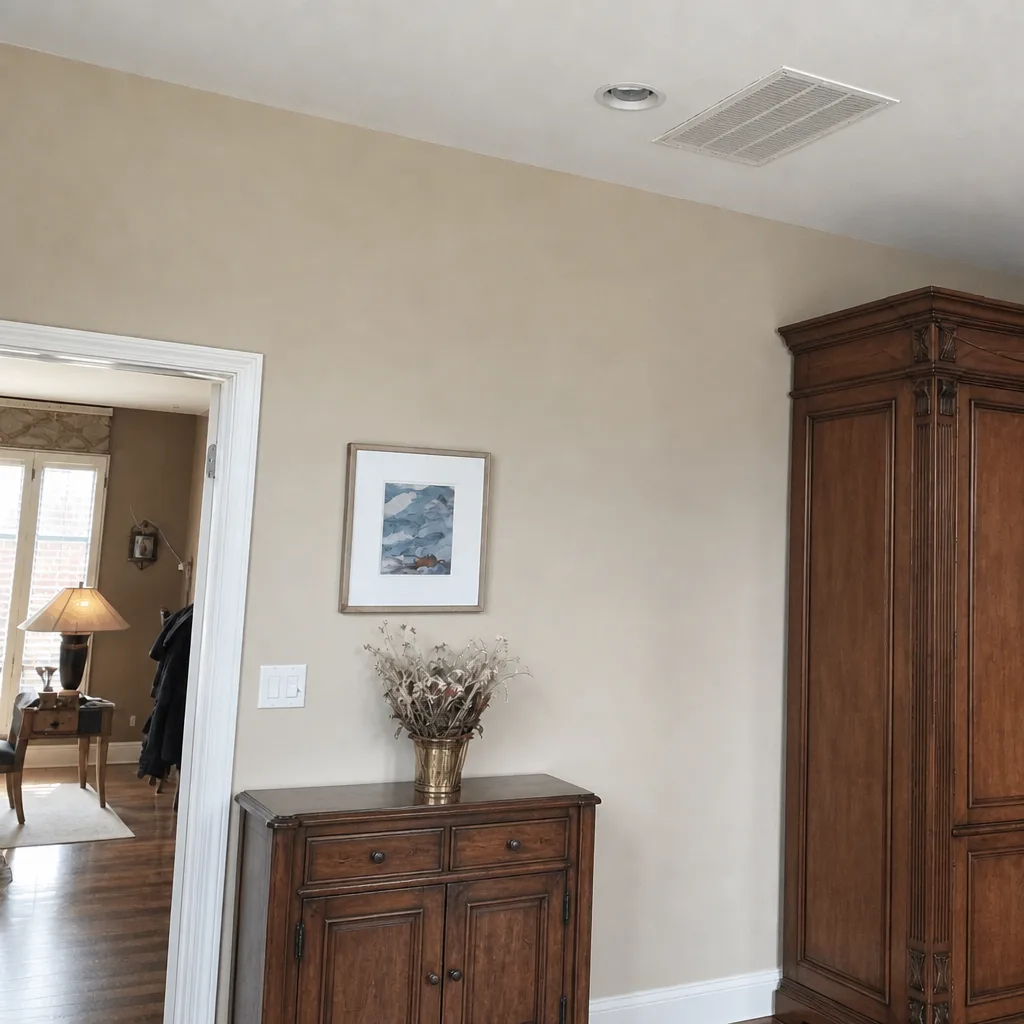
Whole-system duct and dryer vent check with before-and-after photos - you see exactly what came out of your vents
That "$99 whole-house special" is a bait ad - the real number appears once they are in your hallway, or the "clean" is a shop-vac at the register. We photograph the inside of your ducts before and after instead.
DIY vs Professional Air Duct Cleaning: The Santa Rosa Homeowner’s Decision Guide
Most homeowners who try to clean their own ducts aren’t under-skilled. They’re under-equipped. A shop vacuum pulls maybe 100 to 150 CFM of air, while holding a residential duct system under negative pressure during agitation takes something closer to 4,000 CFM. That gap isn’t a matter of effort or technique; it’s a matter of physics, and no amount of determination closes it. In Santa Rosa, where wildfire seasons have made indoor air quality a real household concern, that gap matters more than in most places. This guide explains what DIY duct cleaning can honestly accomplish, where it goes wrong, what professional equipment actually does inside your ducts, and how to tell a legitimate operator from someone hauling a shop vacuum out of a hatchback.
Quick Answer
DIY air duct cleaning in Santa Rosa makes sense for surface work only: cleaning registers and grilles, maintaining your filter, and checking accessible flex duct for obvious damage. Anything beyond that, especially source removal of debris inside the duct runs themselves, requires professional-grade extraction equipment that consumer tools can’t match. Dislodging dust without simultaneous high-volume capture doesn’t clean your ducts; it spreads contamination through your home.
Styles & brands we work with
- Whole-home duct cleaning
- Dryer vent cleaning
- Camera inspection
- Sanitizing & deodorizing
Table of Contents
- Why DIY Duct Cleaning Usually Fails: The Negative Pressure Problem
- What Santa Rosa Homeowners Can Legitimately Do Themselves
- Three Santa Rosa Scenarios Where DIY Is Actively Risky
- What Professional Equipment Actually Does Inside Your Ducts
- How to Vet a Professional Duct Cleaning Quote
- What Professional Air Duct Cleaning Costs (and Why)
- Cleaning Isn’t Enough When the Ducts Themselves Are Broken
- The DIY Verdict, Situation by Situation
Why DIY Duct Cleaning Usually Fails: The Negative Pressure Problem
Here’s what happens inside a duct system when someone tries to clean it with a vacuum and a length of hose. They feed the hose into a register, maybe attach a brush, and start agitating dust off the duct walls. But the suction they’re creating at the far end of that run is a fraction of what the system needs to hold dust in suspension and pull it out. So the fine particulate doesn’t leave. It goes airborne inside the duct and gets pushed out through the nearest open register, into the room they’re standing in.
That’s the redistribution problem, and it’s the single biggest reason we see DIY attempts make indoor air quality worse instead of better. Cleaning a duct is not about scrubbing. It’s about creating a pressure envelope around the entire system, agitating the debris free, and simultaneously extracting it into a sealed collection unit. Three things have to happen at once:
- Containment. The whole system is put under negative pressure so airborne debris is pulled toward the collection unit, not into living space.
- Agitation. Mechanical contact whips and brushes physically dislodge material stuck to duct walls. Vacuum alone doesn’t remove adhered dust; compressed air alone just moves it.
- Simultaneous extraction. While agitation runs, a high-CFM collection unit pulls the loosened material out and traps it in a HEPA-rated filtration system.
Consumer vacuums can only accomplish the first step, and only partially. They can’t generate enough airflow to hold the whole system negative. That’s not a knock on the homeowner; it’s just what a 5-horsepower motor can and can’t do. In Santa Rosa’s older housing stock, where runs are long and ductwork often snakes through crawlspaces and tight attics, the pressure shortfall gets worse, not better.
What Santa Rosa Homeowners Can Legitimately Do Themselves
There’s real value in owner-level maintenance, and we’re not going to tell you otherwise. Several things are entirely within reach for any homeowner with a screwdriver, a vacuum with a brush attachment, and a couple of hours. Doing these regularly genuinely reduces overall dust load and takes pressure off the professional cleaning schedule:
- Register and grille cleaning. Pop off the supply and return grilles, wash them in the sink or hose them off outside, dry them fully, and reinstall. Do this a few times a year. Grilles collect more dust than most people realize and they’re the easiest thing to clean.
- Filter maintenance. Check your filter monthly during heavy-use months. Replace or wash it based on the manufacturer’s spec. A clogged filter restricts airflow, drives up energy use, and lets dust bypass into the system. This is the single highest-value thing you can do yourself.
- Accessible flex duct visual inspection. Where flex duct is visible in the attic or crawlspace, look for crushed sections, disconnected joints, torn outer jacket, or interior liner sagging. Photograph anything that looks wrong and mention it when you call a professional.
- Debris assessment. Shine a flashlight into a register boot after removing the grille. You’ll see the immediate duct surface. If it’s lightly dusty, that’s normal. If you see matted material, visible debris accumulation, or anything fuzzy or discolored, that’s the point where you call someone.
- Dryer vent lint trap discipline. Clean the lint screen before every load and check the exterior vent flap periodically for lint buildup. More on dryer vent cleaning below.
What none of these accomplish is source removal inside the main duct runs. That requires the equipment we’ll cover next. But every one of them is legitimate, useful, and worth doing.
Three Santa Rosa Scenarios Where DIY Is Actively Risky
In most homes, a failed DIY attempt is a waste of an afternoon. In three specific situations common to Santa Rosa, it’s more than that. The physics that make DIY ineffective also make it potentially harmful:
1. Post-wildfire ash
Wildfire ash isn’t ordinary household dust. It’s fine, alkaline, and often carries combustion byproducts that you don’t want aerosolized into breathing air. When a homeowner agitates ducts containing ash residue without adequate negative pressure containment, the ash lifts into the air. Standard consumer vacuum filters typically aren’t HEPA-rated, which means the finest particles pass through the filter and back into the room. Professional cleaning after a fire event in Santa Rosa should use HEPA-rated equipment (we run Nikro HEPA units) plus negative-air containment (we run Abatement Technologies machines) so the fine fraction is captured, not recirculated.
2. Suspected mold
Mold inside a duct system is a “don’t touch it yourself” situation, full stop. Agitation disperses spores. Consumer vacuums can’t HEPA-capture them. And once spores are airborne in a house, they land and colonize wherever moisture is present, which can be a much bigger problem than the original duct issue. If you can see or smell mold inside a register, close it, don’t run the system in that zone, and call a professional who can inspect and contain properly.
3. Older homes with deteriorating fiberglass duct liner
Lots of Santa Rosa homes built in the mid-20th century have internal fiberglass duct liner that’s now aging out. When the liner is intact, it’s fine. When it starts breaking down, it sheds glass fibers into the airstream. Aggressive DIY brushing makes it worse fast, sometimes turning a minor liner issue into a full duct replacement. Professional inspection can tell the difference between “dirty but intact” and “failing and needs repair,” which is why we offer air duct cleaning with a separate diagnostic eye on the duct structure itself.
Outside of these three scenarios, DIY is generally just ineffective rather than risky. Inside them, call before you agitate.
What Professional Equipment Actually Does Inside Your Ducts
The reason professional duct cleaning justifies its cost isn’t the technicians’ skill. It’s the machines. Here’s what actually happens on a professional job, explained so you can evaluate any quote you receive:
Containment comes first
Before agitation begins, the system is put under controlled negative pressure. One main register is used as the connection point for a negative-air machine (we use Abatement Technologies units for this). The machine pulls air out of the duct system and through HEPA filtration, holding the entire system slightly negative. Every other register is sealed. Result: anything dislodged inside the ducts gets pulled toward the collection unit, not out into the rooms.
Agitation is mechanical, source-contact
This is where a Duct Cleaning Santa Rosa contact-vacuum cleaning system does what a shop vacuum cannot. A rotating whip or brush head is fed into each branch run. The brush spins at high speed and makes physical contact with the duct walls, scrubbing adhered dust and debris free. The brush and the extraction happen at the same time, on the same machine, so dislodged material is grabbed before it has a chance to go anywhere.
Extraction runs continuously
The extraction side of the system is a high-CFM vacuum unit with multi-stage filtration. We run Rotobrush contact-cleaning systems and Nikro HEPA equipment because both pull enough airflow to hold the negative pressure during agitation. That’s the difference between professional cleaning and consumer attempts. Same basic idea: dislodge then extract. Radically different execution, because the equipment is built to move enough air volume simultaneously.
- Rotobrush contact cleaning handles agitation and extraction in one pass, feeding a rotating whip through each branch while a negative-pressure vacuum pulls material toward the collection unit.
- Nikro HEPA units provide the filtration stage, trapping fine particulate down to the HEPA standard so the exhaust coming off the machine is filtered, not dumped.
- Abatement Technologies negative-air machines maintain system-wide containment so agitation on one branch doesn’t push dust into the others.
- Guardsman surface protection keeps floor surfaces and finishes from being marked during hose routing and access work.
How to Vet a Professional Duct Cleaning Quote
The gap between a legitimate duct cleaning operator and someone with a shop vacuum and a coupon is wider than in almost any other home service category. What you want to look for when comparing quotes:
- Ask what equipment they’ll use, by name. Any legitimate operator can tell you the brand and type of equipment they run. If the answer is vague (“professional-grade equipment”) without specifics, press. If they can’t name the system, they probably don’t run one. We name ours: Rotobrush for contact agitation and extraction, Nikro for HEPA filtration, Abatement Technologies for negative-air containment.
- Ask whether negative pressure is maintained during agitation. This is the load-bearing question. If they say “we just vacuum each register,” that’s not source removal, it’s surface cleaning. You want to hear about containment and simultaneous extraction.
- Ask for before-and-after photos of your own ducts. A real professional job provides visual proof. If they can’t or won’t, that tells you something about how they see accountability.
- Ask what they do if they find damaged ductwork. A cleaner cleans. A proper duct cleaning company can also repair. If they find crushed flex runs, separated joints, or failing duct liner, you want a company that can fix it, not just clean around it. That’s why we offer air duct cleaning alongside a standalone duct repair service.
- Ask what the price covers and get it in writing. One flat price per system, agreed before the work starts. Avoid per-vent pricing; it invites add-ons once the technician is on site.
- Ask about dryer vent scope. If they don’t include dryer vent cleaning or explicitly can’t do it, they’re not covering the full forced-air system. Our dryer vent cleaning is a standalone service that addresses a fire risk most cleaners either ignore or outsource.
Any operator who can answer these six questions clearly is worth a conversation. One who can’t isn’t.
What Professional Air Duct Cleaning Costs (and Why)
Pricing for professional duct cleaning varies by system size, number of runs, accessibility, and the amount of debris present. We don’t publish fixed numbers because every system is different, and quoting a “typical” range that doesn’t apply to your house is dishonest. What we do instead is give you a written estimate before any work starts, and that estimate sets the final price. No per-vent pricing games, no coupon that becomes a four-figure invoice once the technician is at your door.
What you get for the price is the work the equipment does. A professional cleaning includes:
- Full system inspection before and after cleaning
- Negative-pressure containment across the whole duct system
- Contact agitation of every accessible branch run
- HEPA-rated filtration throughout the extraction process
- Register and grille cleaning as part of source removal
- Before-and-after photos of your ducts
- Written report on any duct damage or repair needs identified during the job
If your quote is dramatically cheaper than the others, ask what’s missing. It’s almost always containment, HEPA filtration, or the scope of contact work on every branch. That’s not a discount; it’s a smaller job.
Cleaning Isn’t Enough When the Ducts Themselves Are Broken
Here’s what most homeowners don’t realize until a technician crawls through the attic: a lot of ducts that get cleaned shouldn’t just be cleaned. They should be repaired. A crushed flex run, a separated joint at a register boot, a torn outer jacket, or failing internal liner doesn’t get better with a brush. In fact, cleaning around a structural problem just means the problem stays.
In Santa Rosa’s older homes, the three most common structural issues we identify are:
- Crushed or kinked flex duct. Often from settling, attic storage, or original install shortcuts. Reduces airflow and creates a debris trap.
- Disconnected joints. Flex duct segments joined with tape or a zip tie that’s failed. Leaks air into the attic or crawlspace, which means you’re paying to heat and cool the attic.
- Deteriorating internal liner. Common in mid-century installs. Sheds glass fibers into the airstream and can only be properly addressed by repair or replacement of the affected sections.
Air duct repair is a standalone service we offer because cleaning without repair leaves the underlying problem in place. You can read more about our full scope on the Duct Cleaning Santa Rosa home page. The point isn’t that every system needs repair; it’s that a duct cleaner who can also repair is the right call, because they’ll diagnose honestly instead of just cleaning and leaving.
The DIY Verdict, Situation by Situation
Here’s our plainest recommendation, organized so you can find your situation quickly:
- Basic dust, no obvious problem, no health concern: DIY register and filter maintenance. Call a professional for source removal once every few years. That’s a real, defensible routine.
- Recent wildfire smoke exposure: Call a professional. Ash requires HEPA filtration and negative pressure. Do not DIY-agitate this.
- Suspected mold inside a duct: Call a professional immediately. Do not run the system. Do not agitate.
- Older home, mid-century vintage, ducts unserviced in a long time: Call a professional for inspection, even before cleaning. The liner condition needs to be assessed first.
- Dryer taking longer to dry loads, or exhaust vent has visible lint around it: Call a professional for dryer vent cleaning. That’s a fire risk and it’s not a DIY job with a shop vacuum.
- Noticeably worse airflow in some rooms: Call for inspection. That’s a duct problem that needs diagnosis, not cleaning.
- Property manager with tenant air quality complaints: Call a professional for a documented inspection and written report.
Common Mistakes to Avoid
- Running the HVAC system during DIY agitation. This makes the problem worse by distributing dislodged particles through every room. If you’re going to attempt anything inside a duct, shut the system off first.
- Using a shop vacuum without HEPA filtration. Standard shop vacuums catch coarse debris but pass the fine fraction straight through the exhaust. Fine particulate is exactly what you don’t want in breathing air, and wildfire ash residue makes this worse in Santa Rosa.
- Brushing at aging fiberglass liner. If you’re not sure whether the duct has intact liner, don’t aggressively brush. Get an inspection. Brushing a failing liner turns a small problem into a large one.
- Hiring on price alone. The lowest quote is almost always doing the smallest job. Ask what equipment they use before you accept the number.
- Skipping the dryer vent because it “seems fine.” Dryer vent lint buildup is hidden by definition. Most of it accumulates in the concealed run behind the wall or in the transition duct, not where you can see it.
- Accepting per-vent pricing. This structure invites the invoice to grow as the technician finds “more work.” One flat price for the whole system, agreed in writing, is what you want.
- Cleaning without inspection. A cleaning that doesn’t include a real look at duct condition misses the crushed runs, separated joints and failing liner that are the actual cause of most airflow and air quality problems.
See the difference
 Before
 After
 Before
 After
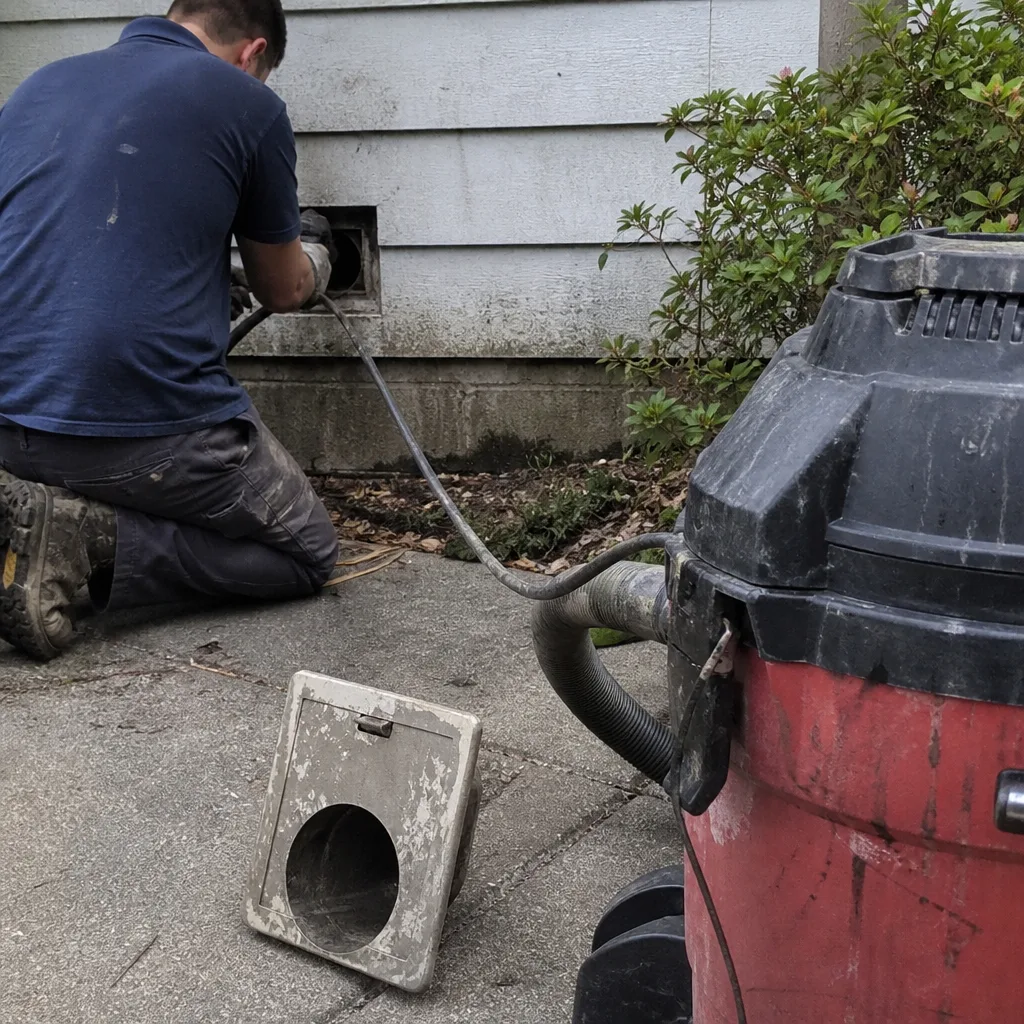 Before
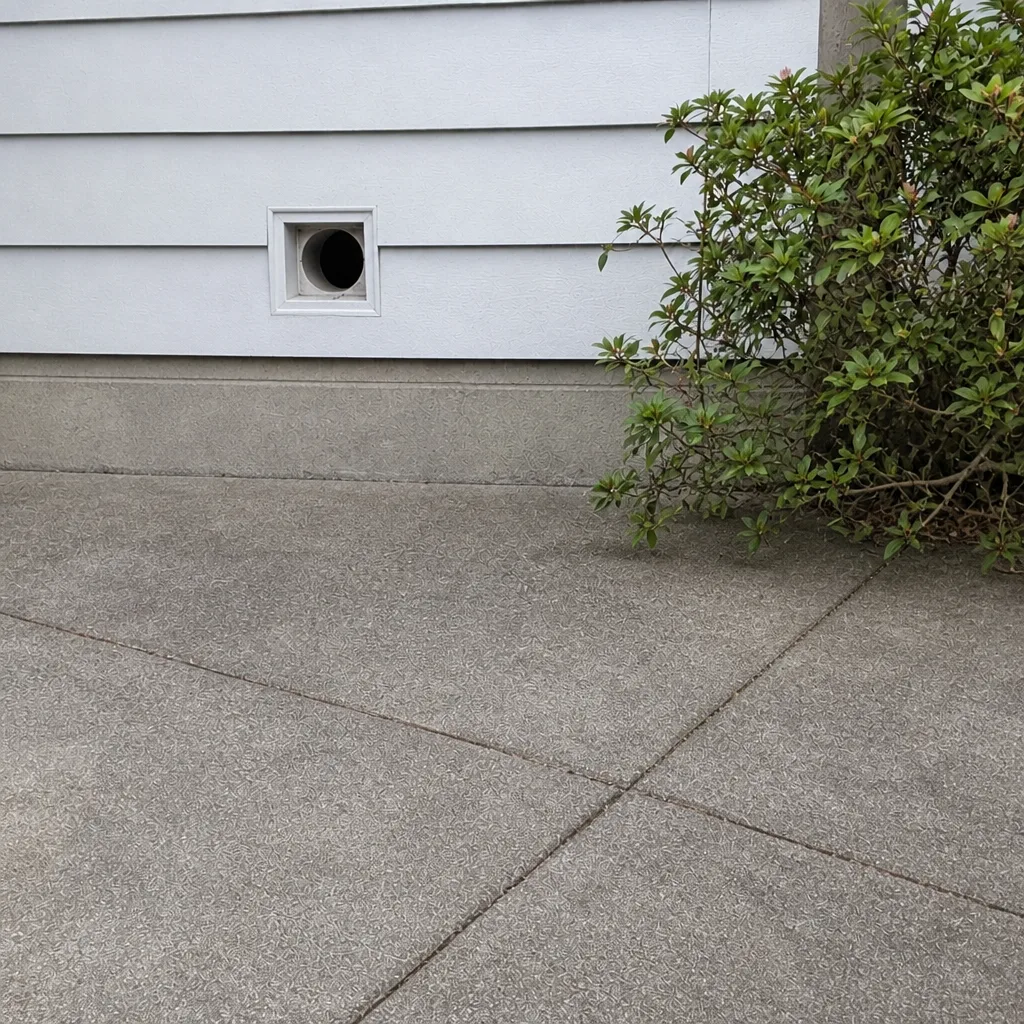 After
When to Call a Professional
Call a professional when the situation involves post-wildfire ash, suspected mold, or ductwork in an older home that hasn’t been assessed in years. Call when a room has noticeably worse airflow than the rest of the house. Call when the dryer is taking longer to dry loads or the exhaust vent has visible lint buildup. Call when you’re a property manager who needs a documented inspection and written report. And call when the ducts have gone long enough that you’re honestly not sure what’s inside them anymore. Our technicians have up to 14 years of experience and the professional-grade equipment to do the job right. Duct Cleaning Santa Rosa offers free estimates in Santa Rosa. Call (855) 929-1609. We answer 24/7. Fast dispatch from 7am to 7pm, Sunday through Friday.
Frequently Asked Questions
You can clean the surfaces you can reach, like registers and grilles, and you should. But you can’t clean inside the duct runs themselves because a shop vacuum can’t generate the negative pressure needed to hold the whole system under containment while debris is dislodged. Dislodging dust without simultaneous high-volume extraction redistributes it into your home rather than removing it. Call (855) 929-1609 for a free estimate if you need the actual runs cleaned.
Pricing depends on system size, the number of runs, accessibility, and the debris load, so we set each price with a written estimate rather than publishing a fixed number. What you should insist on from any quote is one flat price per system, agreed before work starts, with no per-vent pricing. That’s what we provide. Call (855) 929-1609 for a free estimate and we’ll tell you exactly what your system needs.
Because they’re doing a smaller job. The cheapest quotes typically skip negative-pressure containment, use consumer-grade equipment, or don’t cover every branch run. Legitimate professional cleaning requires a contact-vacuum system, HEPA-rated filtration, and negative-air containment to do source removal properly, and none of those come cheap to operate. If a quote is dramatically below the rest, ask what equipment they use and what happens to the debris during agitation. Call (855) 929-1609 if you’d like to compare against a written estimate that spells out the equipment and scope.
You ask for before-and-after photos of your own ducts. That’s the standard we work to: if we can’t show you the change, we haven’t finished the job. You also want a written report on any damage found, not just a verbal “all good.” Call (855) 929-1609 and ask what documentation comes with the job.
For most homes, every few to several years is reasonable depending on system use, filtration quality, and whether there have been smoke events. Homes in Santa Rosa that have dealt with wildfire seasons typically warrant more frequent inspection, because ash residue accumulates in ways ordinary dust doesn’t. Homes with pets or heavy occupancy also benefit from a shorter interval. Call (855) 929-1609 for an honest assessment of your specific situation.
Yes, because dryer vent lint accumulation is a hidden fire risk and it’s the most common cause of residential dryer fires. Cleaning your lint screen regularly catches maybe half the lint; the concealed run behind the wall builds up over time. Our dryer vent cleaning addresses that concealed run directly. Call (855) 929-1609 to schedule a free estimate.
We handle both, as separate services. Cleaning doesn’t fix crushed flex runs, separated joints, or deteriorated duct liner. If a technician finds those during a cleaning, we can quote a repair on the spot. That’s the difference between cleaning around a problem and actually solving it. Call (855) 929-1609 for a free estimate and we’ll tell you which service your system needs.
The Bottom Line
The DIY versus professional question for duct cleaning isn’t about skill; it’s about airflow. Consumer vacuums can handle your registers, your filter, and light surface work, and you should do those things regularly. But the dust adhered to the inside of your duct runs needs pressure containment, mechanical agitation, and simultaneous high-volume extraction to actually leave the system, and no shop vacuum can deliver that combination. In Santa Rosa, where wildfire seasons and older housing stock raise the stakes, professional cleaning with the right equipment is the difference between actually solving the problem and redistributing it. Look at what equipment a quote is bringing, insist on one flat price per system, ask for before-and-after photos, and pick an operator who can also repair what they find. Serving Santa Rosa and the surrounding area, we’re ready to help.
If you’ve read through this and think your system needs a professional look, call (855) 929-1609 for a free estimate. We answer 24/7. Fast dispatch from 7am to 7pm, Sunday through Friday. One flat price per system agreed before work starts, before-and-after photos of your own ducts, and a written report on anything we find. That’s the standard.
Written by the team at Duct Cleaning Santa Rosa.