
Last updated November 15, 2026
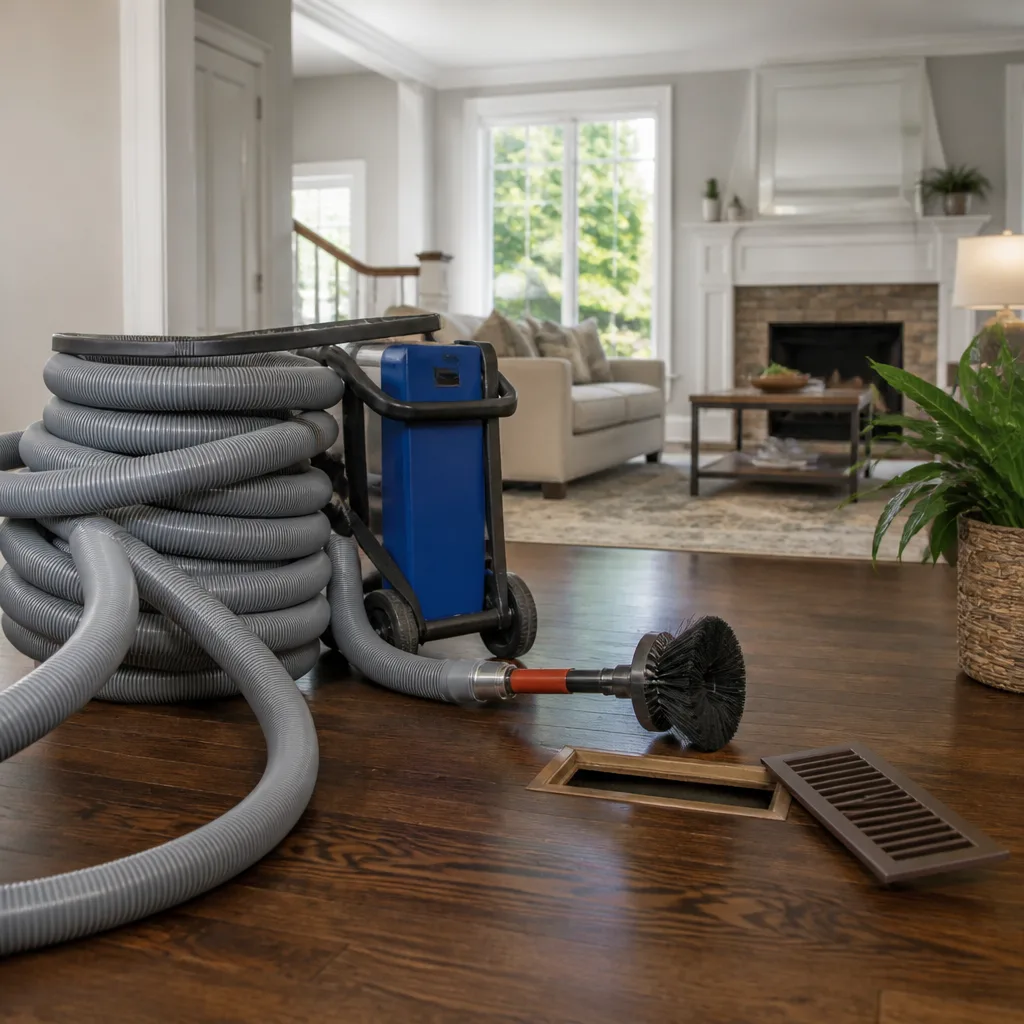 Whole-home duct cleaning
 Dryer vent cleaning
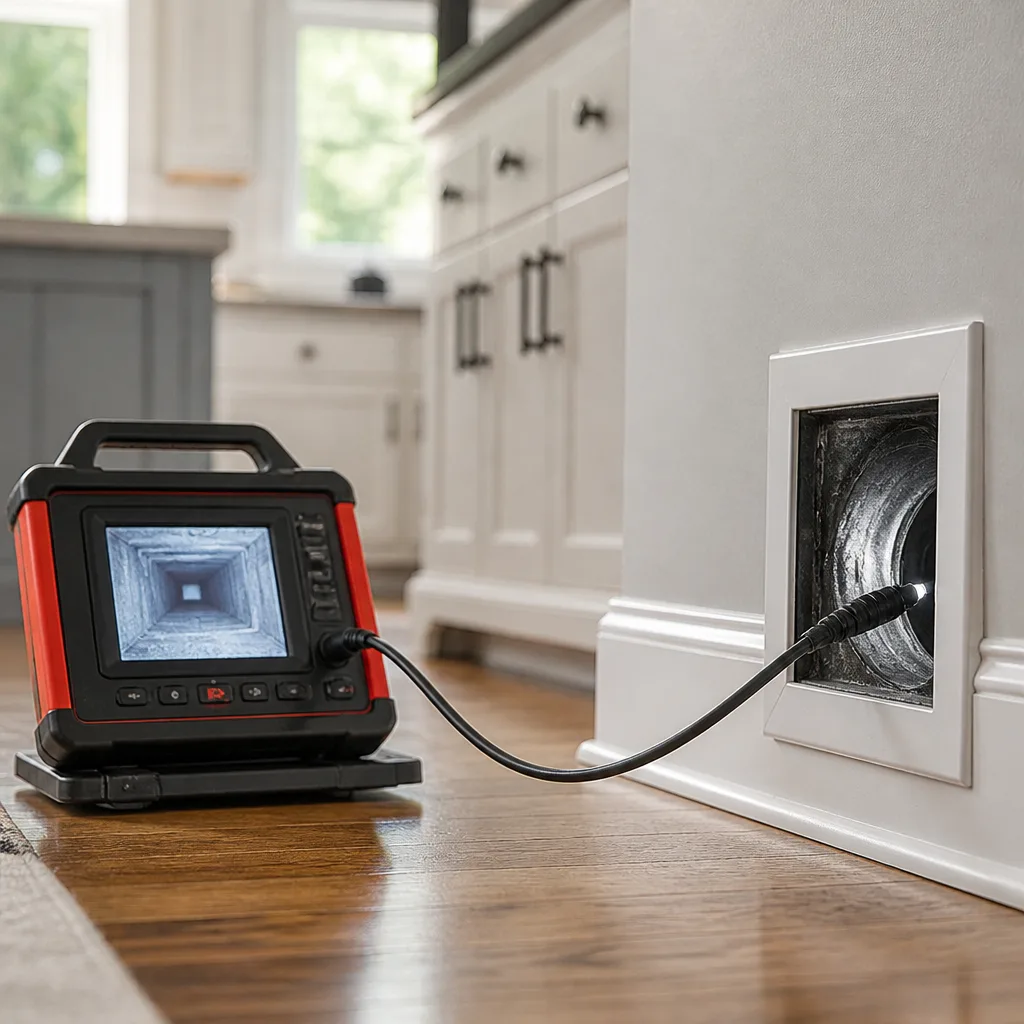 Camera inspection
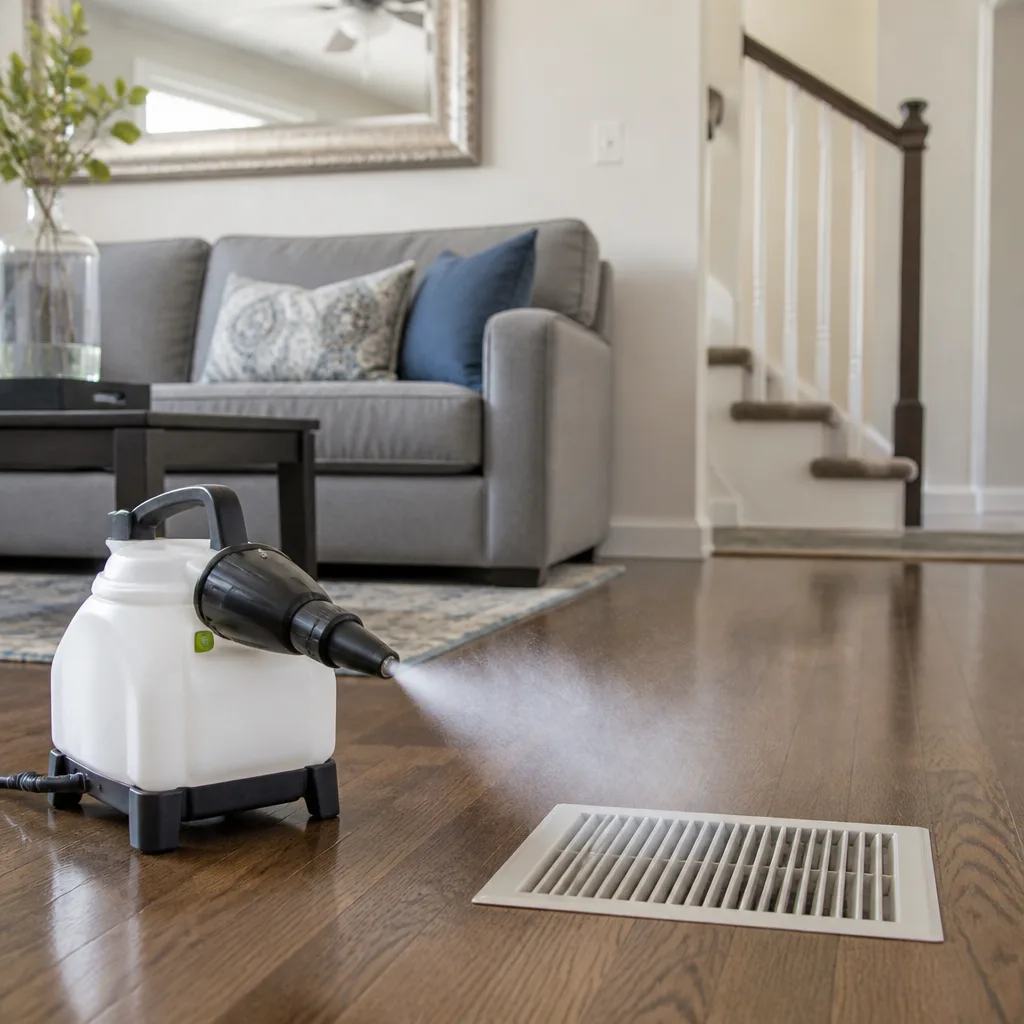 Sanitizing & deodorizing
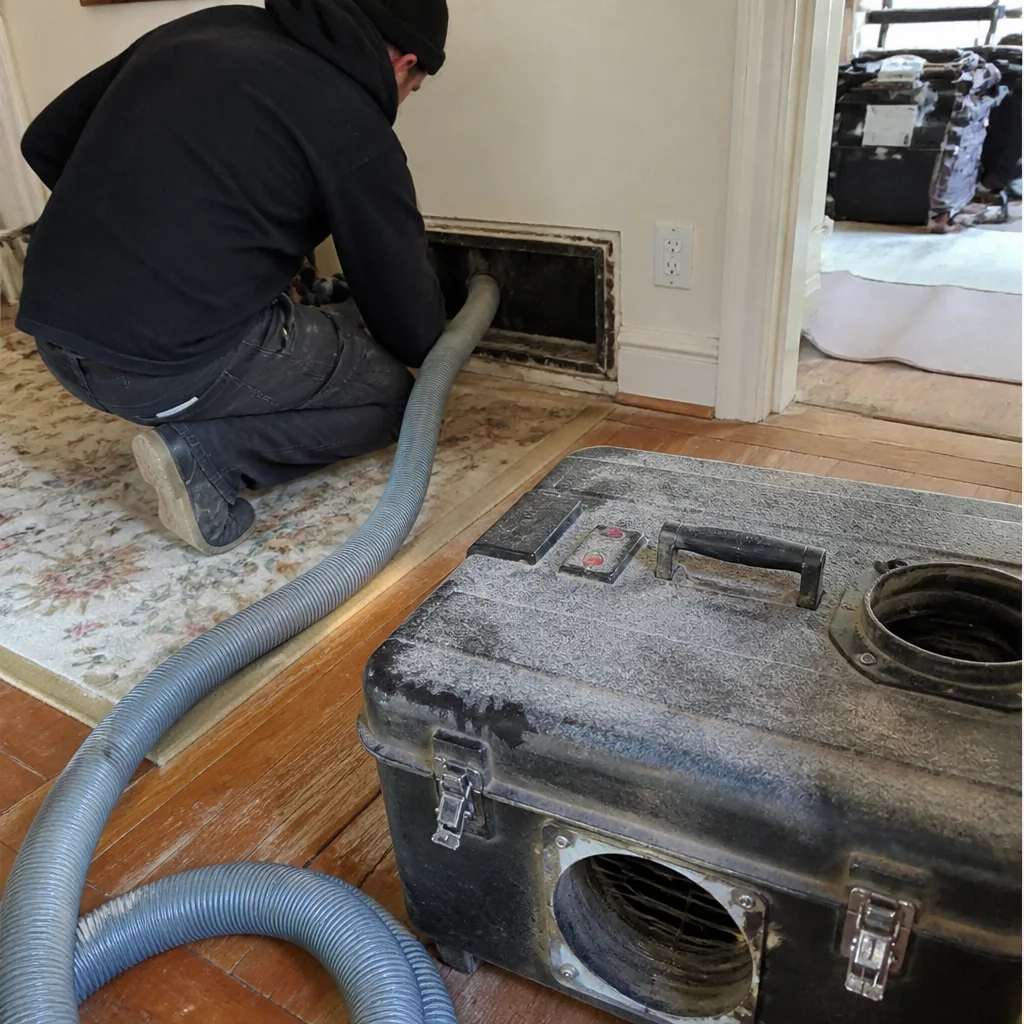
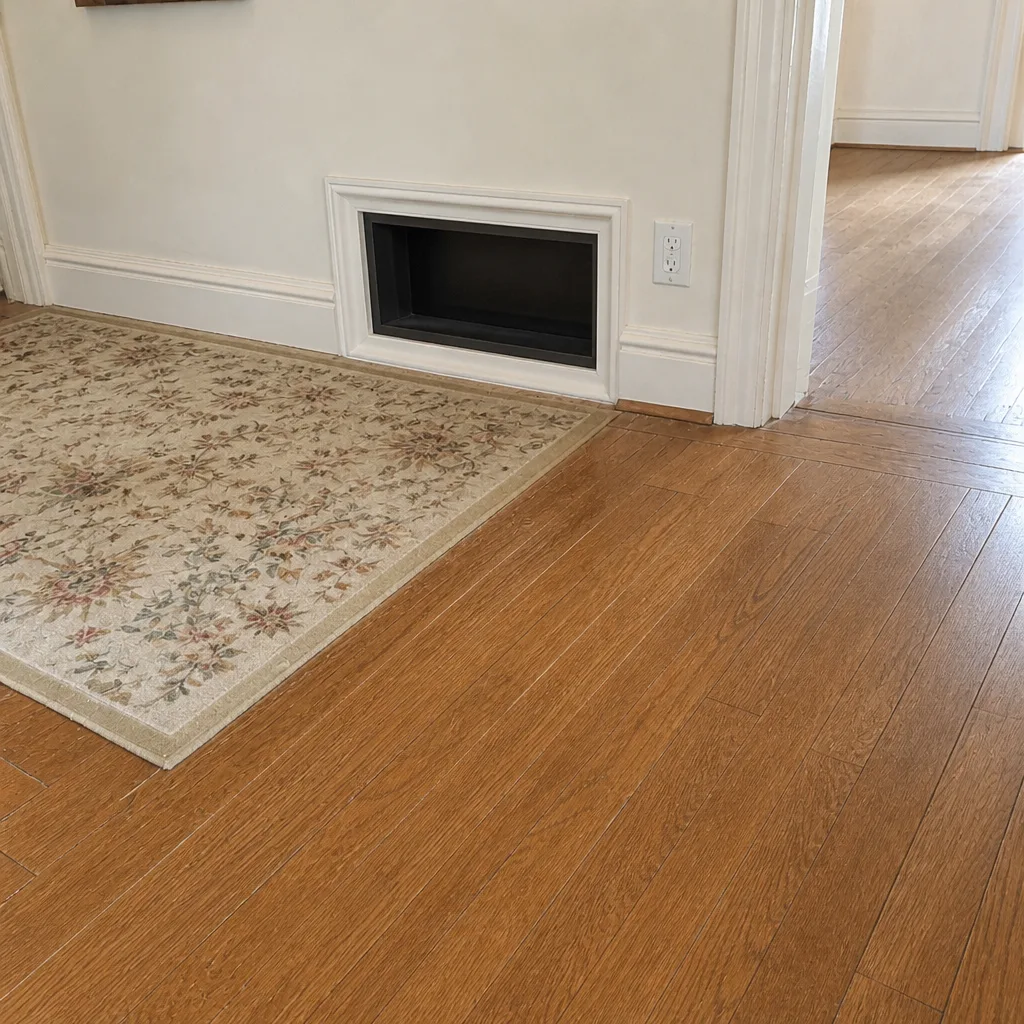
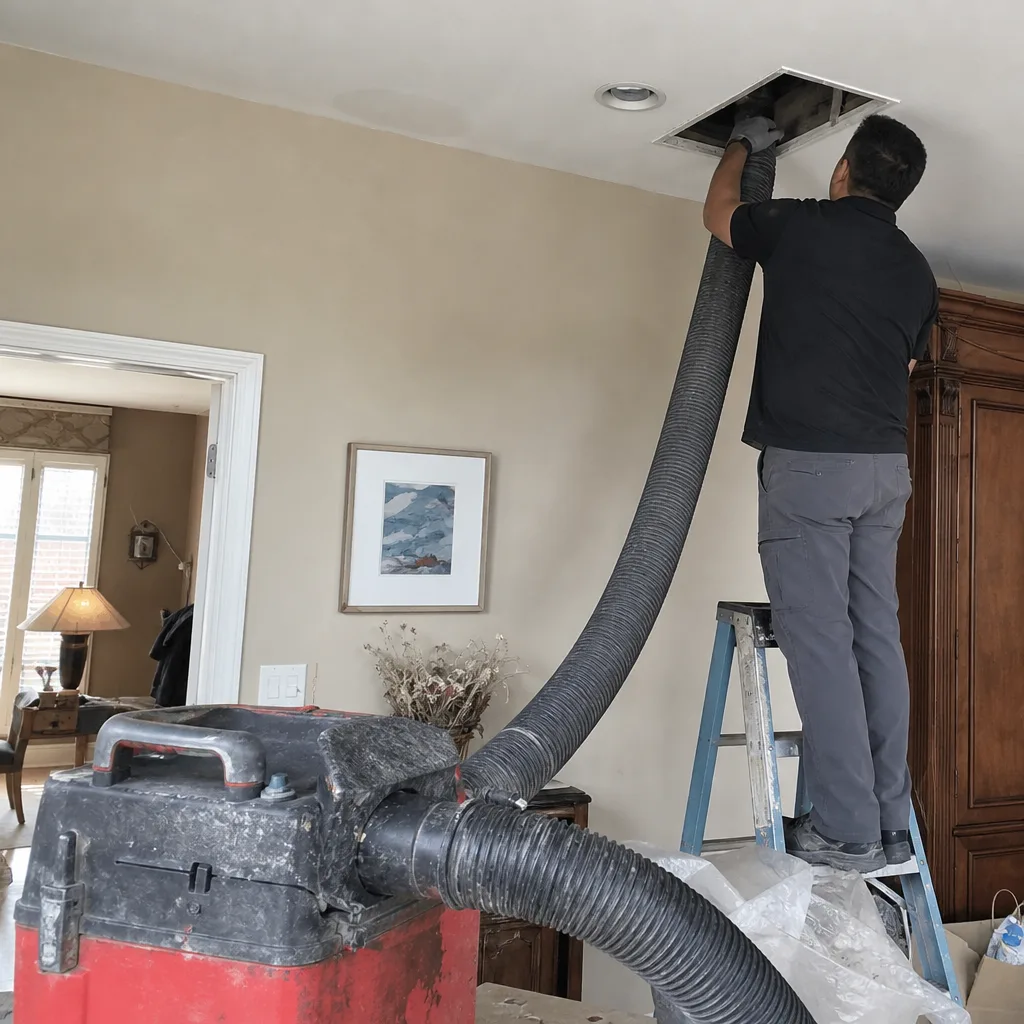
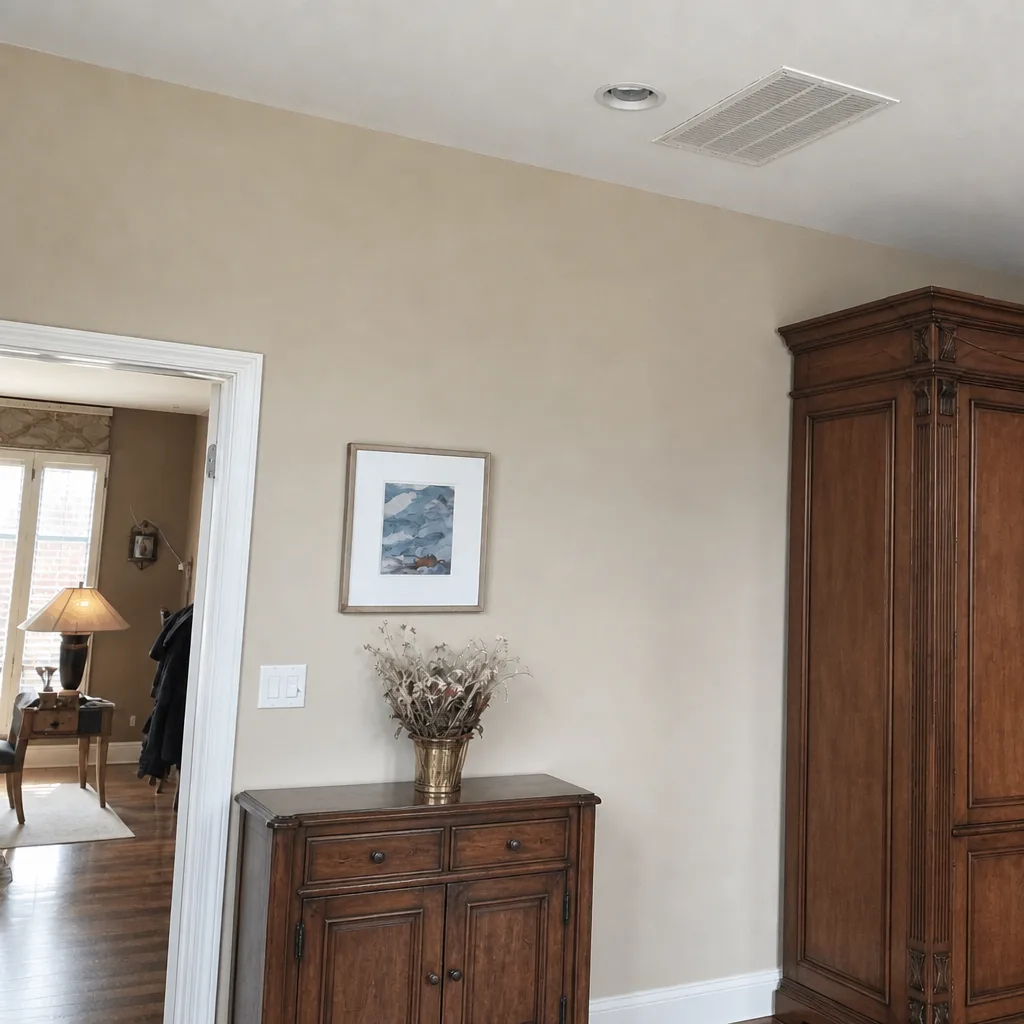
Whole-system duct and dryer vent check with before-and-after photos - you see exactly what came out of your vents
That "$99 whole-house special" is a bait ad - the real number appears once they are in your hallway, or the "clean" is a shop-vac at the register. We photograph the inside of your ducts before and after instead.
Air Duct Cleaning Warning Signs: A Santa Rosa Homeowner’s Reference Guide
Visible dust on supply registers is one of the last warning signs to appear. By the time you can see accumulation at the vent face, return-side contamination has typically been building for 12 – 18 months inside the plenum where you can’t see it. That’s the paradox of duct problems in Santa Rosa: the signs most homeowners watch for show up late, and the signs that matter most show up early in places nobody thinks to look. This guide covers the airflow, odor, and contamination indicators a technician actually reads, how to tell a duct problem from a coil or refrigerant problem, and what the false-negative systems look like. You’ll finish with a checklist you can use without buying any equipment.
Quick Answer
The warning signs that actually signal a duct cleaning need in Santa Rosa are measurable airflow changes (uneven room temperatures, longer HVAC runtime cycles, weak supply pressure at far-end registers), soot-colored debris or persistent metallic odor at registers following wildfire smoke exposure, and elevated indoor particle readings that don’t drop after cleaning visible surfaces. Visible dust at the vent face is a late-stage indicator, not an early one. If any of the first three signs are present, a professional inspection is the next step.
Styles & brands we work with
- Whole-home duct cleaning
- Dryer vent cleaning
- Camera inspection
- Sanitizing & deodorizing
Table of Contents
- Airflow-Based Warning Signs You Can Measure Without Equipment
- Post-Wildfire Warning Signs Specific to Santa Rosa
- How to Distinguish Duct Problems from Coil, Refrigerant, and Leakage Problems
- Warning Signs That Point to Mold Rather Than Dust
- The False Negative: Why Heavily Contaminated Systems Sometimes Look Clean
- Return-Side Contamination and the Plenum
- The Warning Signs Most Homeowners Miss: Dryer Vents
- A Homeowner’s Checklist
Airflow-Based Warning Signs You Can Measure Without Equipment
Airflow changes are the most reliable early indicator that something is restricting your ductwork. You don’t need a flow hood or a differential pressure gauge to notice them. You need attention and a little patience over a few days.
Uneven room temperatures. The supply register closest to the air handler pushes air the same way as the register at the far end of the house, but the far end has less pressure behind it. When that pressure falls off enough, the room gets noticeably warmer in summer and cooler in winter. A room that’s three to five degrees off from the thermostat setpoint, consistently, in the same direction, usually means restricted airflow in the branch serving that room, not a thermostat problem.
Longer runtime cycles. Time the cycles. If your system used to reach setpoint in twelve minutes and now takes twenty, the equipment is working harder to move the same air. Restriction in the return side, not just the supply, is often the cause. Dust and debris accumulate faster on the return because the return carries air from the whole house before it hits the filter.
Weak supply pressure at far-end registers. Hold the thinnest piece of tissue paper against the face of the register at the room furthest from your air handler. On a clean system with adequate flow, it should flutter and pull. If it barely moves or falls away, the downstream pressure is low. Compare that to a register closer to the handler; the difference tells you a lot.
In Santa Rosa, older homes with original galvanized duct systems are especially prone to these signs because dust continues to bond to the interior walls over time. Homes built in the last twenty or thirty years with flex duct face a different problem: the inner lining can sag or separate, creating a choke point that looks like a dust problem but is really a duct repair issue. That’s why we treat cleaning and repair as connected services rather than separate sales. You’ll find more detail on how we handle this under air duct cleaning.
Post-Wildfire Warning Signs Specific to Santa Rosa
Santa Rosa sits in a region with a long history of nearby wildfire activity. Smoke doesn’t behave like ordinary dust. It carries fine particulates and volatile organic compounds that can travel through a forced-air system and deposit inside ducts and on the air handler. The warning signs of wildfire contamination look different from the signs of ordinary household dust buildup, and they don’t always fade with time.
- Soot-colored debris at registers. Gray or black patchy accumulation at the vent face is not the brown, fluffy material typical of household dust. Fine soot deposits look more like a thin graphite smear.
- Metallic or acrid odor that persists after filter replacement. A new HEPA or high-MERV filter clears odor for a few days. If the smell returns within a week, the source is downstream of the filter.
- Elevated indoor PM2.5 readings that persist after cleaning visible surfaces. A consumer-grade air quality monitor isn’t a diagnostic tool, but it can show whether visible-surface cleaning actually changed anything. If measured particle levels stay high after a thorough dusting and vacuuming, the contamination is coming from somewhere you can’t reach.
- Air handler cabinet staining. Open the filter grille and look at the blower housing and the cabinet walls. Soot staining on the interior metal surfaces suggests the system pulled smoke through it.
Wildfire soot is fine enough that standard shop-vac setups agitate it back into the air rather than capturing it. This is why we run Nikro HEPA-rated equipment and Abatement Technologies negative-air machines during cleaning, especially after a smoke event. Negative-air containment keeps the dislodged material from recirculating into the living space while work is underway. Homeowners in Santa Rosa neighborhoods near the wildland-urban interface who’ve been through multiple smoke seasons usually know when their system needs a look. What many don’t know is that the signs worth acting on are these, not the vague “musty smell” that every generic article leads with.
How to Distinguish Duct Problems from Coil, Refrigerant, and Leakage Problems
Dozens of HVAC complaints trace back to a dirty duct, a dirty coil, a refrigerant issue, or duct leakage. They produce overlapping symptoms: warm air in summer, high energy bills, rooms that don’t stay comfortable. The differences show up when you trace each symptom backward.
Dirty ducts
- Uneven temperatures between rooms, with the same room always falling short
- Longer runtime, especially on the return side
- Visible debris at registers (late sign)
- Odor present any time the fan is running
Dirty evaporator coil
- Weak airflow from every register, not just far-end ones
- Frozen refrigerant lines or ice on the indoor coil in cooling season
- Bills climbing without the obvious temperature symptom profile of dirty ducts
- Odor present only when the compressor is cycling
Refrigerant problems
- Air blows strong but isn’t cold
- Coil icing
- Entire system running long but not reaching setpoint
- No debris or odor issues present
Duct leakage
- Rooms closest to the handler run comfortable while far rooms stay off-setpoint
- Rattling or whistling from register boots
- High runtime with no odor or visible debris
- Dust accumulation in attic insulation near the duct runs
Here’s the honest overlap: dirty ducts and duct leakage can both produce uneven room temperatures, and one doesn’t rule out the other. The way we approach it is diagnostic first. We inspect the duct interior, the air handler, and the accessible duct runs, then report what we see. When the problem turns out to be compromised duct material, we handle it as a standalone repair. Duct cleaning and duct repair are different jobs, and a company that only does one will inevitably recommend the one it offers.
Warning Signs That Point to Mold Rather Than Dust
Mold in ductwork requires moisture. Dust alone won’t cause it, no matter how much has accumulated. When moisture is present, the signs shift. Dust is brown, gray, or black and uniform at the register face. Mold growth is patchy, sometimes white or greenish, and it appears in the wetter portions of the system, not the driest.
- Two or more people in the home reporting the same symptoms after the fan cycles. Eye and throat irritation that routinely shows up twenty to thirty minutes into a heating cycle is worth investigating.
- Discolored or dark patches on flexible duct interior, visible through the register boot. Grab a flashlight and look up into a supply register at an angle. Uniform dust is fine; patchy discoloration with texture is not.
- Persistent musty odor that gets worse on cold mornings. In Santa Rosa’s climate, condensation inside ducts is more likely in the afternoon-cooling cycle, but the smell often peaks first thing in the morning when the system starts up.
- Moisture or staining in the air handler cabinet. Look for water streaks on the cabinet walls or standing water in the condensate pan.
Mold remediation is a different scope of work than duct cleaning. We don’t advertise it and we don’t do it. What we can tell you is what we see and what kind of contractor to call next. If you see signs pointing to active mold growth, the right move is to have the moisture source identified and the affected material removed or replaced by a qualified remediation contractor. Cleaning the ducts without fixing the moisture source just buys time until the growth returns. If you’re uncertain whether it’s dust or mold, we’ll tell you honestly during the inspection.
The False Negative: Why Heavily Contaminated Systems Sometimes Look Clean
Some of the dirtiest systems we’ve seen show almost nothing at the registers. The homeowner has no visible dust accumulation, no stale odor, and it’s clear the system has been neglected for years. Here’s why this happens.
High-velocity airflow patterns. In homes with tightly sized duct runs and a high-efficiency air handler, air moves through the trunk line fast enough that dust never deposits on the interior walls. It blows straight through and hits the air filter instead. The duct itself stays clean while the filter loads faster than expected. That filter loading pattern is the false-negative key: a filter that clogs in half the expected time means the system is carrying an unusual load of airborne debris, and that debris had to come from somewhere.
Return-side contamination in the plenum. The plenum and air handler cabinet sit between the return filter and the supply trunk. This is where a lot of the real contamination accumulates, and it’s hidden behind sheet metal panels most homeowners never remove. A clean supply register tells you nothing about the plenum.
Systems with recently replaced registers. If the previous owner updated the registers but didn’t clean the ductwork, everything looks tidy at the surface while the ducts continue to carry the old load.
To catch the false-negative cases, look at these instead:
- How long does it take a filter to visibly load? If it’s noticeably shorter than a year ago, ask what changed.
- Is the return grille (the large one typically in a hallway) pulling strongly? Hold your hand across it. Weak pull plus a clean-looking supply register is a warning.
- Has the HVAC equipment been serviced recently? A technician who has looked at the air handler cabinet sees what a homeowner doesn’t. Ask them directly about the plenum condition.
- Does anyone in the home notice symptoms only when the fan is on?
Our technicians have up to 14 years of experience reading these patterns, and the false-negative cases are the ones we spend the most time explaining. A homeowner looking for honest information deserves to know that a clean-looking system can still have a hidden contamination problem, just as much as a visibly dirty one almost certainly does.
Return-Side Contamination and the Plenum
The return side of your system is the half that most homeowners never think about. Air leaves every room through return grilles, travels to the air handler, passes through the filter, and gets pushed back out through supply registers. Everything on the return side is upstream of the filter. That means any debris the return carries settles on the return duct interior before the filter ever has a chance to catch it.
This is why the return ducts and plenum are usually the dirtiest sections of the system. In Santa Rosa homes, where a heating season runs mild but a cooling season can push equipment harder than expected, the return side accumulates year-round. Signs worth acting on:
- Return grille visible dust or debris accumulation
- Filter loading much faster than the filter manufacturer’s replacement interval
- Whistling sound at the return grille
- Odor strongest nearest the return grille on startup
- Air handler cabinet interior with visible debris on the blower housing
If any of these are present, the return side deserves a professional look before you assume the answer is a fresh filter and a residential vacuum. A technician can see the plenum condition and tell you whether cleaning or repair is the right next step.
The Warning Signs Most Homeowners Miss: Dryer Vents
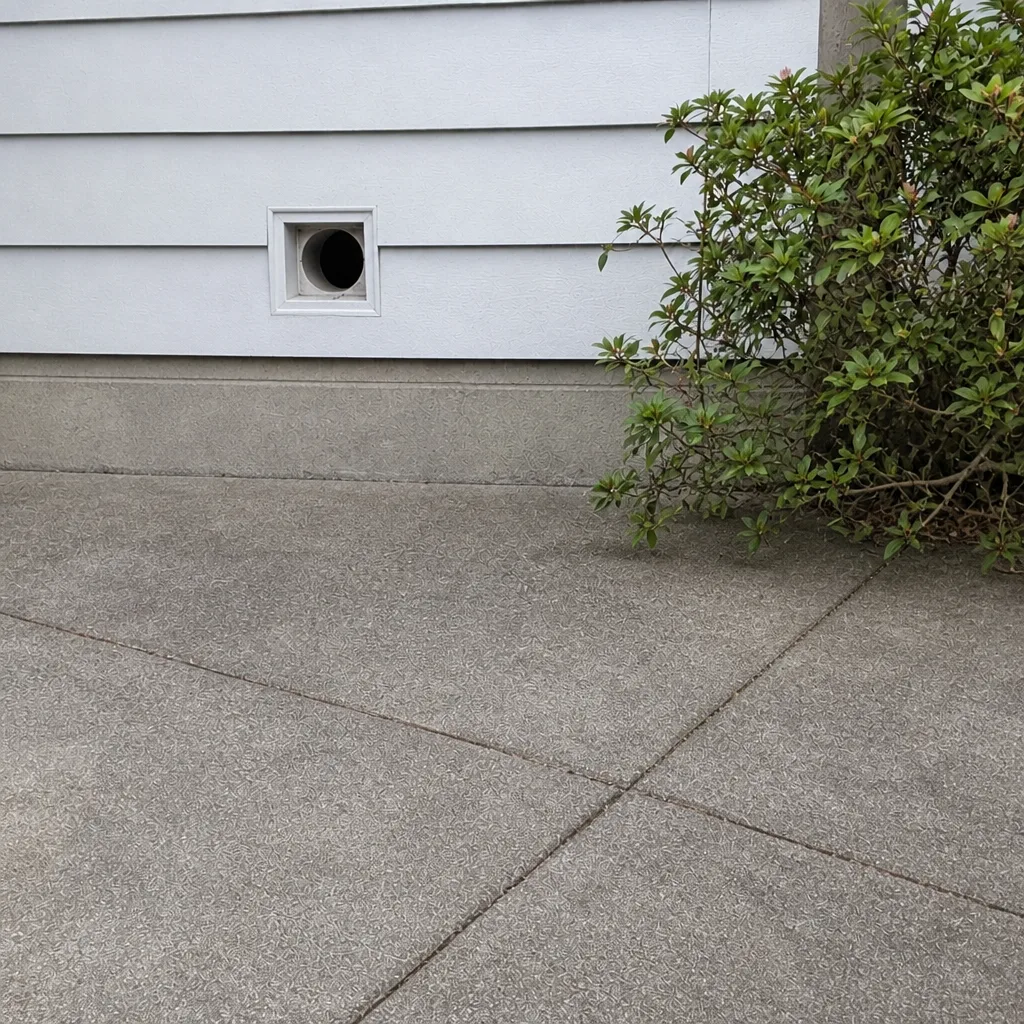
Dryer vents aren’t part of your HVAC ductwork, but they share the same problem profile: hidden accumulation that reduces performance and eventually creates a real safety risk. A clogged dryer vent is a leading cause of residential structure fires. The signs are subtle and easy to write off as “the dryer is just getting older.”
- Clothes take two cycles to dry when one used to do it. Reduced airflow is the most common sign.
- The outside of the dryer gets hot to the touch. Heat that should be moving out of the vent is backing up into the appliance.
- Lint accumulation behind the dryer or in the lint trap housing. Some lint bypasses the trap entirely.
- The exterior vent flap doesn’t open fully, or stays shut when the dryer runs. That means airflow is restricted somewhere along the run.
- A burning or scorched smell during dryer operation. Stop using the dryer and schedule a cleaning.
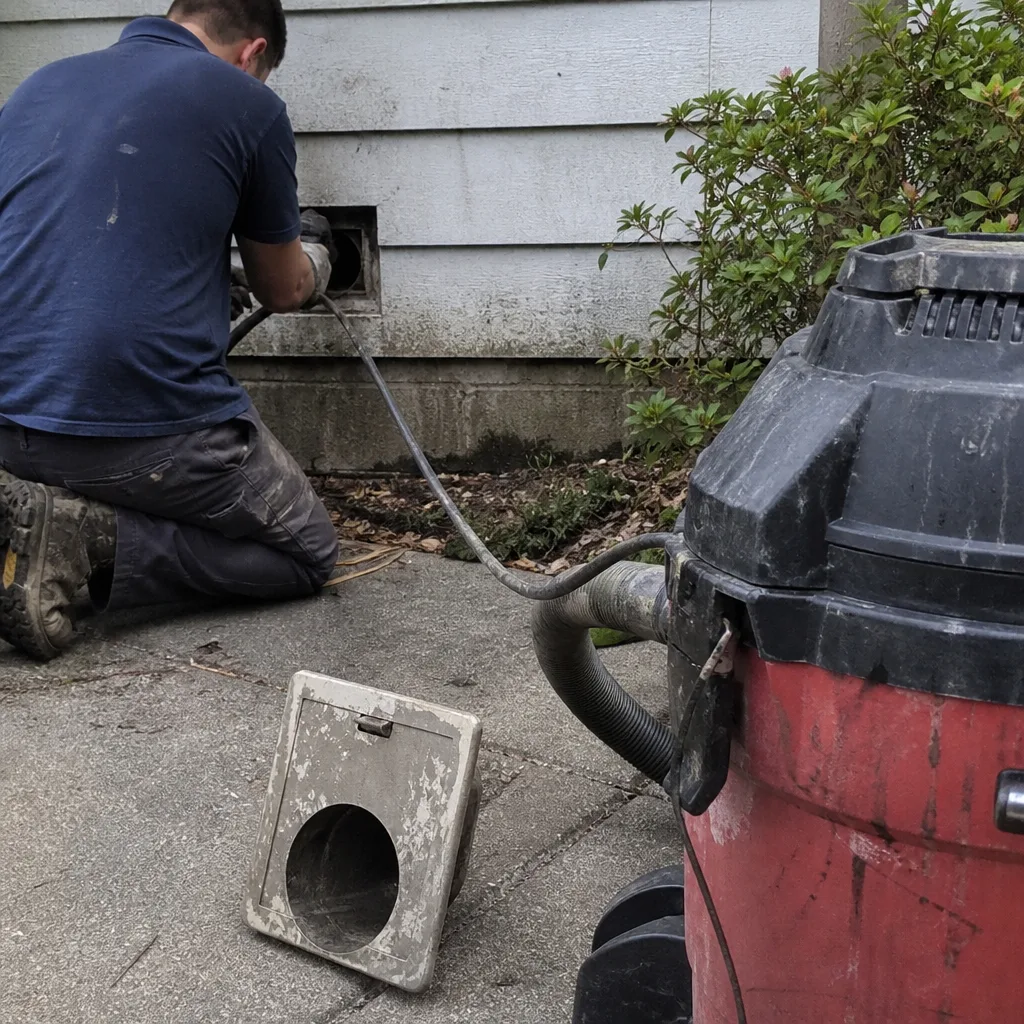
A proper dryer vent cleaning takes the full run from the dryer connection to the exterior termination. Short segments, sharp elbows, and long runs (common in two-story homes and in homes where the laundry is central rather than on an exterior wall) are the most likely to clog. If your laundry is more than ten feet from an exterior wall, the vent needs cleaning more often than the once-a-year standard recommendation suggests.
A Homeowner’s Checklist
Run through this list once a season. It’s quick and it doesn’t require any tools.
- Time your HVAC cycle on a normal day. Note the minutes. Compare against your memory of last season.
- Walk every room with the system running and note the room that never quite reaches setpoint.
- Hold a light tissue at the far-end supply register. A healthy system pulls it; a restricted system doesn’t.
- Hold your hand across the largest return grille. Weak pull is worth investigating.
- Check your filter change interval and note whether it’s shortening.
- Look at every register face. Soot-colored deposits, patchy discoloration, or visible debris call for inspection.
- Smell each room with the fan on. Any persistent odor is a signal.
- Check the outside dryer vent flap while the dryer is running.
If two or more items raise a flag, have the system looked at. If a single room consistently fails the tissue test while the rest are fine, focus there first. If wildfire smoke has moved through your area this year, add the soot and odor checks to the list even if everything else looks fine.
Common Mistakes to Avoid
- Waiting for visible dust at the registers before scheduling service. By the time dust is visible, return-side contamination has been building for over a year. Act on airflow symptoms instead.
- Assuming a fresh filter fixes the problem. A filter that clogs unusually fast is telling you something, not solving it. Get the plenum looked at.
- Hiring a company that only cleans. Cleaning a duct with separation or a compromised plenum panel without addressing the repair just moves the problem. Duct repair and duct cleaning belong to the same conversation.
- Letting a residential shop-vac setup near the duct after a wildfire smoke event. Consumer vacuums agitate fine soot back into the living space. Professional HEPA equipment captures it.
- Skipping the dryer vent because the ducts got cleaned. They’re different systems. Dryer vent cleaning is a separate, essential job with its own fire risk profile.
- Assuming a musty smell means mold. It might. It might also be dust, a dirty coil, or soot. Don’t skip professional inspection because you think you know which one it is.
- Taking the lowest quote without asking about equipment. The named equipment tells you more than the price. Ask what the crew will run before you book.
See the difference
 Before
 After
 Before
 After
 Before
 After
When to Call a Professional
Call when you’ve noticed three or more airflow symptoms on the checklist. Call when you’ve been through a wildfire smoke event and the odor persists after filter replacement. Call when a single room consistently stays off-setpoint despite the rest of the house being fine. Call when the outside dryer vent flap doesn’t move during operation. Call when the system runs noticeably longer than it did last year. And call if you smell something burning near the dryer.
If you’re a property manager with multiple units in Santa Rosa or you’re handling a rental turnover, an inspection before the next tenant cycle saves worse problems later.
Duct Cleaning Santa Rosa offers free estimates in Santa Rosa. Call (855) 929-1609. We answer 24/7. Fast dispatch from 7am to 7pm, Sunday through Friday.
Frequently Asked Questions
The most reliable signs are measurable airflow changes: uneven room temperatures, longer HVAC runtime cycles, and weak supply pressure at far-end registers. Visible dust at the vent face is a late-stage sign, not an early one. Post-wildfire soot deposits and persistent odor after filter replacement are also high-confidence indicators in this region. If any of these are present, call (855) 929-1609 for an inspection. Estimates are free.
For most homes, every three to five years. Homes near the wildland-urban interface that have been through multiple wildfire smoke events may need service sooner. Homes with pets, or homes with someone who has respiratory conditions, generally benefit from more frequent checks. Outdoor conditions in Santa Rosa shift the interval more than the calendar does.
Dirty ducts typically produce uneven room temperatures and a room that’s consistently off-setpoint. A dirty coil usually produces weak airflow from every register, ice formation on the indoor coil during cooling season, and odor only when the compressor runs. If you’re unsure, call (855) 929-1609 for a diagnostic. Estimates are free.
Yes. High-velocity airflow patterns can keep the duct walls clear while depositing debris elsewhere, especially in the return plenum. A filter that clogs faster than expected, a weak return pull, or symptoms that appear only when the fan runs are all worth investigating even if the registers look clean. Call (855) 929-1609 for an assessment. Estimates are free.
Have it inspected by a professional who can confirm what you’re seeing and identify the moisture source. Active mold growth requires a remediation contractor, which is a different scope from duct cleaning. We don’t perform remediation, but we can tell you what we see and what kind of contractor to call next. Call (855) 929-1609 to schedule an inspection.
No. Dryer vents are a separate system with their own fire risk. A clogged dryer vent is a leading cause of residential structure fires, and the warning signs are subtle: longer dry times, a hot dryer exterior, and a vent flap that doesn’t open during operation. Both jobs are covered by Duct Cleaning Santa Rosa. Call (855) 929-1609. We answer 24/7. Fast dispatch from 7am to 7pm, Sunday through Friday.
The Bottom Line
The warning signs that matter most aren’t visible dust at the register. They’re airflow changes you can measure with a tissue and a stopwatch, soot and odor patterns that indicate wildfire smoke contamination, and specific clues that distinguish a duct problem from a coil or refrigerant problem. Santa Rosa homes have the wildfire exposure piece on top of the standard dust-and-debris load, which is why soot-colored deposits and persistent odor deserve the same attention as airflow symptoms. If you’ve flagged two or more items on the checklist, an inspection is the next step. Duct Cleaning Santa Rosa handles cleaning, dry duct repair, and dryer vent service across Santa Rosa. Free estimates, one flat price per system agreed before work starts, and before-and-after photos of your own ducts.
For a free estimate, call (855) 929-1609. We answer 24/7. Fast dispatch from 7am to 7pm, Sunday through Friday, closed Saturday. If your question is about our overall approach to the full scope of this work, you can read more on the Duct Cleaning Santa Rosa service overview.
Written by the team at Duct Cleaning Santa Rosa.